Jujube tree management: focus on pruning, water and fertilizer, and pest and disease control
Jujube tree management refers to the cultivation measures surrounding the entire process of jujube trees from planting to harvest, covering such aspects as training and pruning, soil, fertilizer and water management, flower and fruit management, and pest and disease control. Jujube trees are highly adaptable and tolerant of drought and poor soil, but if you want stable, high yields year after year, none of these management steps can be neglected.
Training and pruning is the foundational work of jujube tree management, mostly carried out during the dormant period from leaf fall to bud break. Common tree forms include the central-leader tiered form and the open-center form. When pruning, the main tasks are to thin out overly dense branches, crossing branches and diseased or pest-infested branches, to develop strong fruiting branch groups, and to keep the canopy well ventilated and exposed to light. The jujube head (extension shoot), secondary branches and fruiting spurs are the main fruiting sites of the jujube tree. When pruning, keep a balance between retaining and renewing them, and avoid weakening the tree's vigor by chasing yield alone.
As for water and fertilizer management, the general practice is to apply plenty of basal fertilizer in autumn, and then, before bud break, before flowering and during the young fruit stage, to top-dress and water as needed according to tree vigor and soil moisture. Jujube trees produce many flowers but drop a great deal of flowers and fruit. During the flowering period, measures such as spraying water to raise humidity and introducing bees for pollination can improve the fruit set rate. Mature, vigorous trees can also use traditional methods such as girdling to protect flowers and fruit, but the operation must be done in moderation so as not to affect the next year's growth.
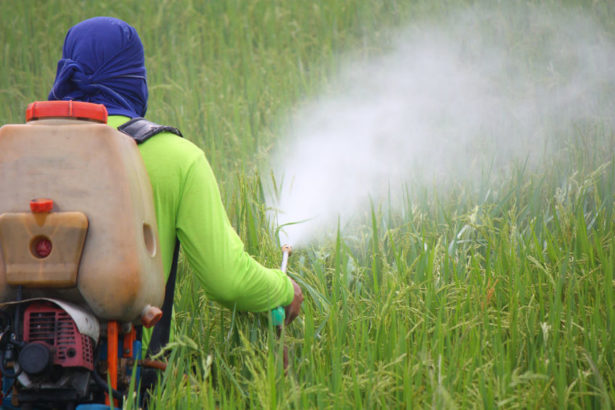
Pest and disease control should run throughout the year. Common diseases include jujube witches' broom, jujube rust and anthracnose, while among insect pests, the jujube looper and the peach fruit moth are more frequently seen. Winter orchard cleanup and scraping off old, cracked bark can reduce overwintering pest sources. During the growing season, integrated control based on agricultural and physical measures is advocated, with scientific use of pesticides and targeted treatment when necessary. Moving the front line of control earlier not only stabilizes yields but also benefits fruit safety.
Related Reading