How to Make Steamed Pork Ribs with Taro, and the Secrets to Getting Them Soft, Glutinous and Full of Flavor
Steamed pork ribs with taro is a common home-style steamed dish, and it appears especially often on tables in Guangdong, Guangxi and Hakka regions. It uses taro and pork ribs as the main ingredients and is finished by steaming over water; the resulting dish has a rich taro aroma, the taro is soft, glutinous and full of flavor, and the ribs are tender and smooth rather than dry, making it a favorite in many households.
Before cooking, the ribs should first be chopped into small sections, placed in cold water and blanched to remove the blood foam, then mixed evenly with light soy sauce, oyster sauce, minced garlic, shredded ginger and a little starch and marinated so they take on flavor more easily. After peeling the taro, cut it into rolling-cut chunks or thick slices; people worried about itchy hands can wear gloves, which makes peeling easier. Some methods first lightly pan-fry or deep-fry the taro pieces until the surface is slightly yellow, so that after steaming they do not fall apart easily and the aroma is fuller.
When steaming, the taro is generally laid on the bottom of the plate and the ribs are arranged on top, so that the meat juices released during steaming slowly seep into the taro. Once the water boils, place it in the steamer and steam over medium-high heat until the ribs are cooked through; the exact time can be adjusted flexibly according to the size of the ribs and the heat level. After taking it out of the pot, sprinkle on chopped scallions or cilantro for extra flavor, and it tastes best eaten hot.
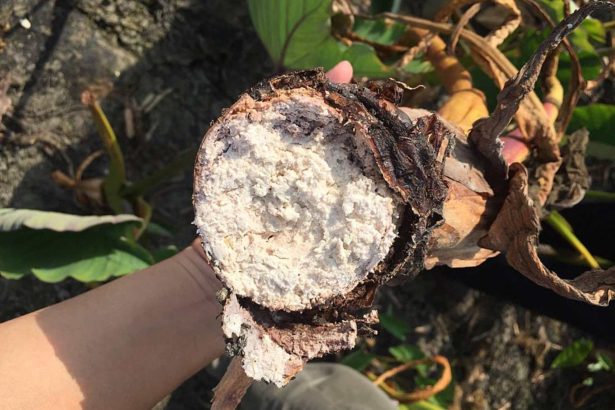
When choosing taro, it is best to pick varieties that feel heavy when picked up and have a mealy, glutinous cut surface, such as betel nut taro and Lipu taro, which have a mealier texture and richer aroma. If the marinating time is too short, the ribs tend to be bland and tasteless; if taro is stored in damp conditions and becomes soft, it tends to turn mushy and lose its shape after steaming. Once you have mastered the key points of choosing ingredients and steaming, this dish is basically foolproof to make at home.
Related Reading