What Types of Fish Are There? An Introduction to the Classification of Freshwater and Saltwater Fish
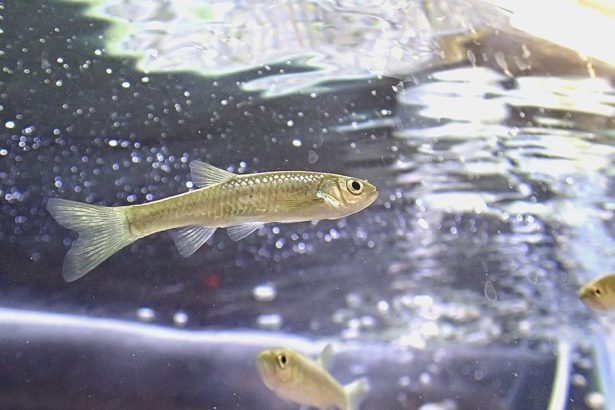
Fish are cold-blooded vertebrates that live in water, breathe with gills, and swim with fins, and the vast majority have scales covering their bodies. Based on the waters they inhabit, fish can be broadly divided into two major groups, freshwater fish and saltwater fish, and by use they can also be divided into food fish, ornamental fish, and economic fish.
Common freshwater fish include the four major Chinese carps: black carp, grass carp, silver carp, and bighead carp, as well as common carp, crucian carp, bream, and yellow catfish. They adapt to water environments such as ponds, lakes, and rivers, and are the main species in aquaculture in China, with relatively mature rearing and management techniques.
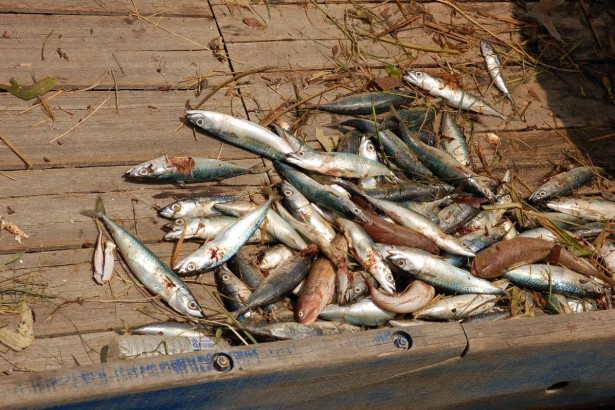
Saltwater fish are even more diverse, with common species including large yellow croaker, small yellow croaker, hairtail, sea bass, pomfret, mackerel, and jacks. Some of these species have suffered resource declines due to overfishing, and some native fish have also decreased in number because of changes in the water environment, so they need to be conserved through measures such as fishing moratoriums, fishing restrictions, and habitat protection.
In terms of ornamental fish, goldfish and koi are the traditional representative species, while tropical ornamental fish such as guppies, bettas, and tetra fish are also very popular among enthusiasts. It should be noted that although whales live in water, they breathe with lungs and give birth to live young and nurse them, so they are mammals, not fish.
In aquaculture applications, when raising fish it is important to choose palatable feed, feed scientifically, keep water quality clean, control stocking density, and carry out daily pond inspections and disease prevention and control. Reasonably polyculturing fish with different feeding habits can make full use of water space and natural food and improve overall farming efficiency.
Related Reading