Firefly Pictures: A Visual Guide to Firefly Watching and Photography Tips
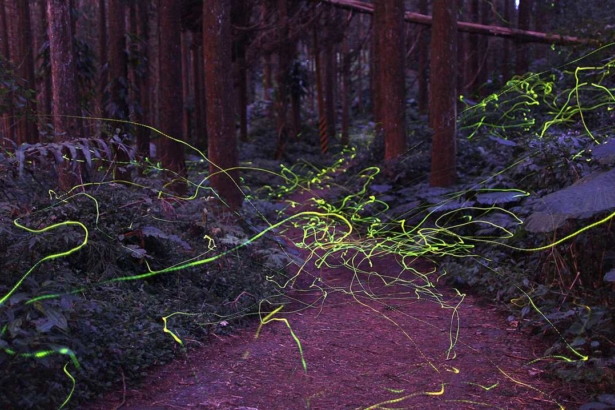
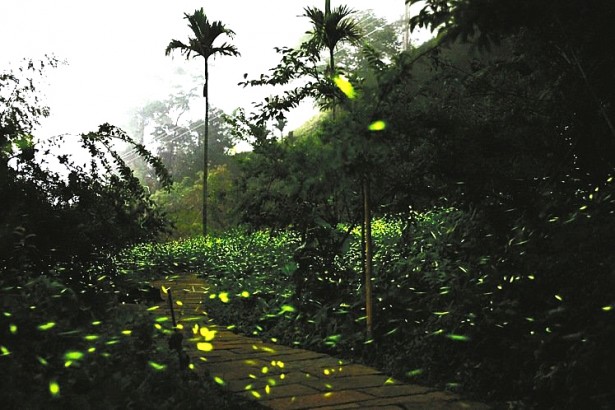
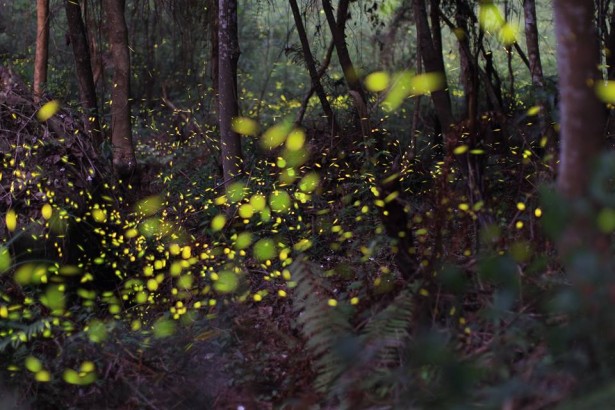
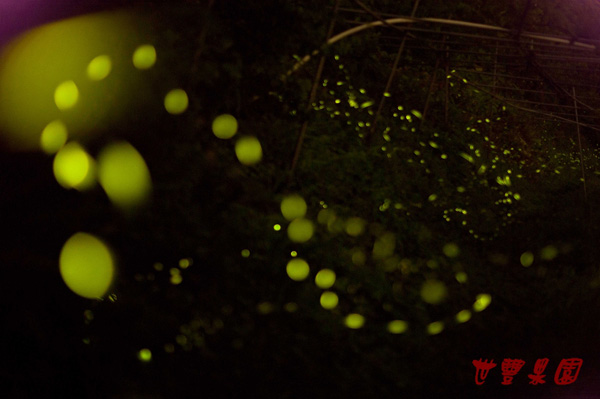
Most firefly pictures show flickering yellow-green points of light in the mountains and fields at night. Some fly in groups like a scattered river of stars, while others rest among blades of grass, giving off a soft glow. Through these images, even without being there in person, you can feel the dreamy atmosphere fireflies create, which is why they are often used for ecological education, tourism promotion, and desktop wallpapers.
To capture beautiful firefly pictures, you usually need to choose a mountain area or a spot near a stream with little light pollution and suitable humidity, and the best time is at night after sunset. When shooting, a tripod is generally needed to steady the camera, and a longer exposure time is used to record the light trails left by fireflies as they fly. For composition, you can include mountain forests, trails, or water surfaces as foreground elements to give the image more depth and a sense of story.
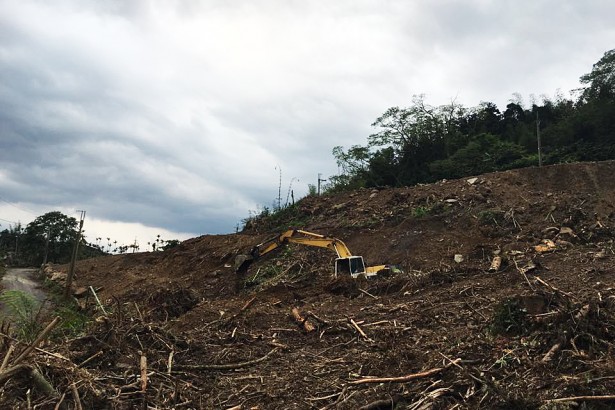
While enjoying and photographing firefly pictures, ecological protection must not be overlooked. Fireflies are highly sensitive to their environment, and light pollution, pesticide use, and habitat destruction all reduce their numbers. When watching fireflies, avoid shining strong flashlights directly at them, do not catch or disturb them, and take your trash with you when you leave. Only by leaving the quiet night to the fireflies can such beautiful scenes continue.
Many people are also curious about which species the fireflies in the pictures belong to. Different species of fireflies differ in glow color, flashing rhythm, and season of appearance. Most are concentrated in the warm, humid season, while a few species appear in the mountains during autumn and winter. To identify them further, you can make a comprehensive judgment based on their appearance in the picture, their light color, and the altitude and environment of the shooting location.
Related Reading