The cashew tree is a tropical nut tree, and both its kernels and cashew apples have useful value.
The cashew tree is an evergreen tree of the genus Anacardium in the family Anacardiaceae, native to the tropical regions of South America and now widely cultivated in India, Vietnam, Africa, Southeast Asia and other tropical zones. Its most distinctive feature is that a single tree can yield two things at once: one is the kidney-shaped nut, the familiar cashew; the other is the swollen, juicy fruit-like structure below the nut, commonly called the cashew apple.
The cashew tree usually grows from several meters to more than ten meters tall, with leathery, oval leaves, and when it blooms, its panicles are covered with small yellow-white or pink flowers. Its fruit structure is quite unusual among fruit trees: the true fruit is the outer nut, while the cashew apple is actually formed by the swollen receptacle, and the two are harvested together when ripe.
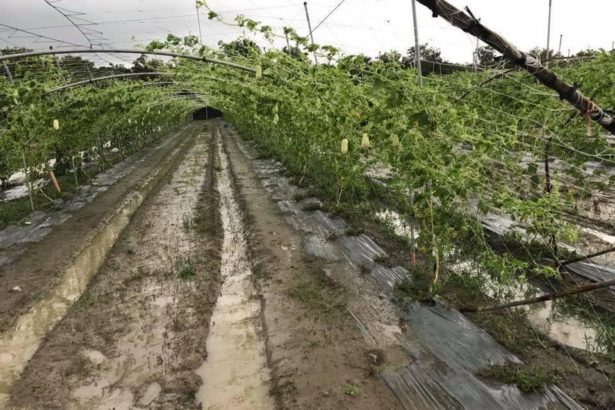
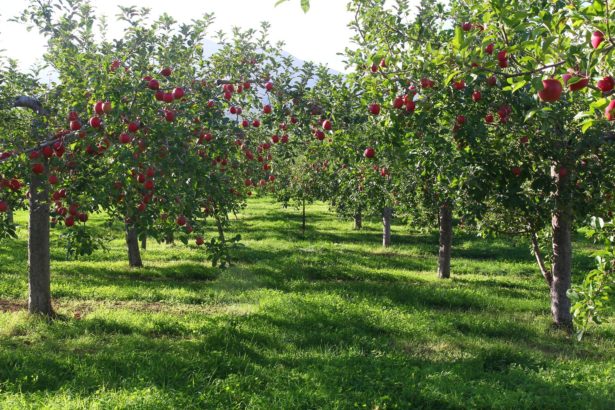
As a typical tropical tree species, the cashew tree likes high temperatures and cannot tolerate frost; it is drought-tolerant but dislikes waterlogging, and grows best on well-drained sandy soil. When cultivating it, choose a sunny plot that does not collect water, provide appropriate water and fertilizer during the young tree stage, and prune in good time once it enters the fruiting stage to keep the canopy ventilated and exposed to light. In the rainy season, also pay attention to clearing ditches and draining water to avoid the roots being soaked for long periods.
Cashew kernels are rich in oil and protein and, after roasting or processing, are a common nut food; cashew apples are juicy and sweet and can be eaten fresh directly, or juiced or used to brew beverages. In addition, the shell contains cashew shell liquid, which can be used as an industrial raw material, so the whole tree has quite high utilization value.
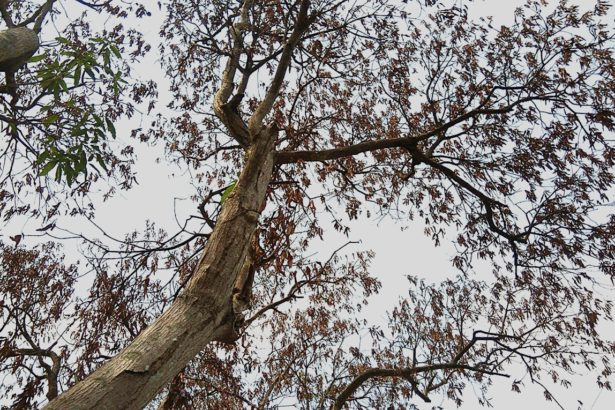
The cashew tree is sensitive to cold and is prone to cold damage when temperatures are low, so its cultivation areas are mainly limited to the tropics and the southern subtropics. In routine management, also watch for pests and diseases; when abnormal branches and leaves are found, prune them off promptly and improve ventilation in the orchard to help the tree recover as quickly as possible.
Related Reading