An Introduction to the Characteristics and Common Ways of Eating Watermelon Radish
The watermelon radish is a radish variety grown for its fleshy root, named for its emerald green skin and brilliantly purplish-red flesh. It is cultivated fairly widely in northern China, most commonly planted in autumn and harvested in winter. Its flesh is crisp and tender, sweet with a faint hint of spiciness, and people often mention it in the same breath as the pear; it is one of the representative varieties of radish eaten raw in winter.
In appearance, the fleshy root of the watermelon radish is mostly short and round or flat and round, with smooth green skin; when cut open, the flesh is rose red or purplish red, a very appealing color. When selecting them, choose ones that are evenly sized, feel heavy in the hand, and have no cracks in the skin; such radishes usually have plenty of moisture and a crisp texture.
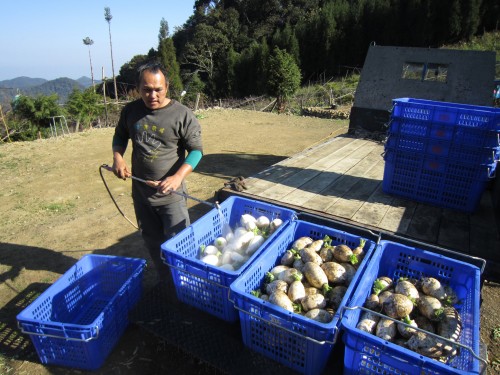
As for growing, the watermelon radish prefers a cool climate and grows best in loose, fertile sandy loam. It is generally sown in late summer to early autumn and harvested in late autumn. During the growing period, thin the seedlings in good time and water sensibly, keeping soil moisture even and avoiding alternating dry and wet conditions that cause the roots to split; if harvested too late or stored improperly, the roots readily become spongy and pithy, which spoils the texture.
As for eating, the watermelon radish is best eaten raw; shredded and dressed with sugar and vinegar as a cold dish, it is crisp and refreshing, and it can also be dipped in sauce or pickled as a side dish. Its vivid flesh color also adds color and garnish to dishes. Eaten raw in moderation in winter, radish stimulates the appetite and cuts through richness, making it a very popular seasonal vegetable on the family table.
Related Reading