Detailed Video Guide to Summer Black Grape Cultivation Techniques: Key Points of Cultivation Management
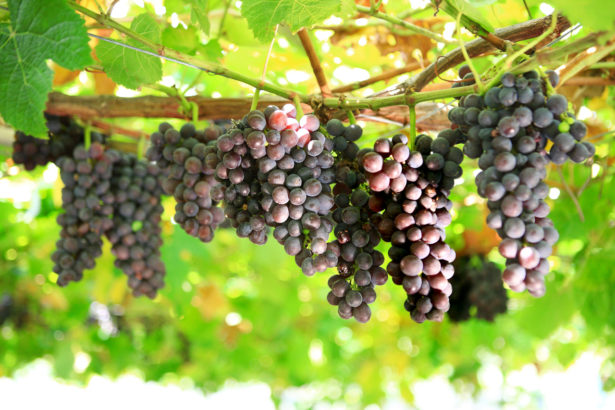
Summer Black grape is a triploid seedless variety originating in Japan, with purple-black skin, firm and crisp flesh, high sweetness with a strawberry aroma, and an early ripening period; it is cultivated in many production areas across both northern and southern China. Because of its vigorous growth and strong resistance, many growers regard it as the main choice for early-maturing orchards.
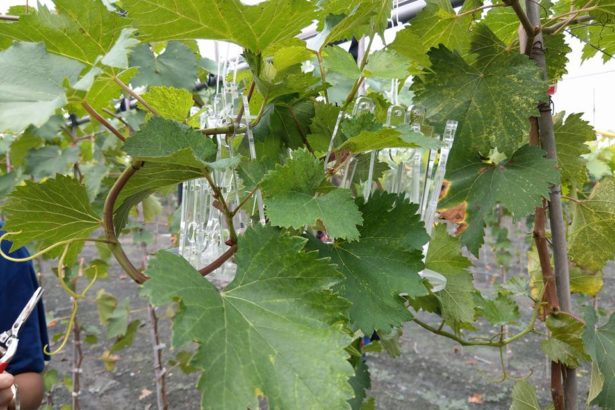
The cultivation process usually includes site selection and orchard establishment, trellising and training, pruning, flower and fruit management, water and fertilizer regulation, and pest and disease control. Summer Black grape is suitable for hedgerow or overhead trellis cultivation; during the growing season, buds should be removed and shoots thinned in good time, tips pinched, and lateral shoots managed to keep the canopy well ventilated and exposed to light. During the flowering and fruiting period, flower and fruit thinning and cluster trimming should be done well; at the berry enlargement stage, plant growth regulators may be used according to standards, together with water and fertilizer supply, to improve the marketability of the fruit.
For beginners, written descriptions are often less easy to understand than intuitive demonstrations, and cultivation technique videos fill exactly this gap. Through videos, details such as where to make the pruning cut, the method of tying vines, the way to trim clusters, and the timing of spraying can be seen clearly; by following the images and operating step by step, the probability of error is much lower. Teaching content released by agricultural technology departments and professional orchards in various regions is also convenient for flexible reference in combination with local climate conditions.
In actual cultivation, Summer Black grape is relatively prone to fungal diseases such as gray mold, downy mildew, and white rot, and prevention and control should be focused on before and after the rainy season. When watching videos, it is recommended to give priority to cases with an environment similar to the local area, arrange farming activities according to the age and vigor of the trees in one's own orchard, and learn while taking notes, gradually forming a management rhythm suited to one's own orchard.
Related Reading