How Many Teeth Does a Mosquito Have? The Answer Is Not What You Think
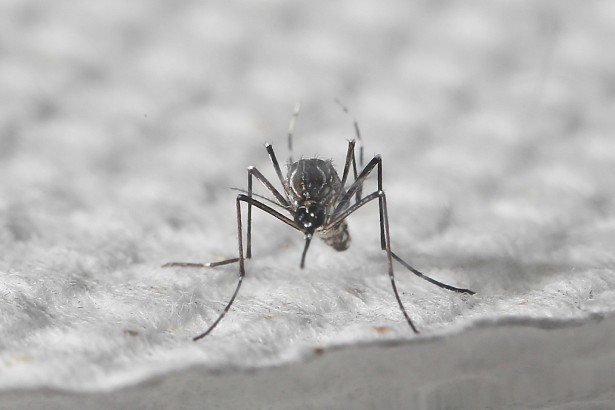
Strictly speaking, mosquitoes do not have teeth. The claim circulating online that mosquitoes have dozens of teeth is actually a case of mistaking the tiny serrated structures on their mouthparts for teeth. From an entomological perspective, a mosquito's mouth is not used for chewing but is a highly specialized piercing-sucking proboscis.
From the outside, a mosquito's mouthparts look like just a single slender beak, but hidden inside are six needle-like stylets. The tips of some of these stylets carry fine, dense serrations that cut through the skin like a tiny saw blade when the mosquito feeds on blood, while the remaining stylets are responsible for support, locating blood vessels, and delivering saliva and blood. What actually pierces the skin is this precise assembly of needle-like tubes, not teeth.
The redness, swelling and itching after a mosquito bite occur because the female mosquito injects saliva containing anticoagulant substances while feeding, triggering an immune response in the human body. It is also worth noting that only female mosquitoes bite, as they need extra nutrition before laying eggs; male mosquitoes live on nectar and plant sap and do not bite people.
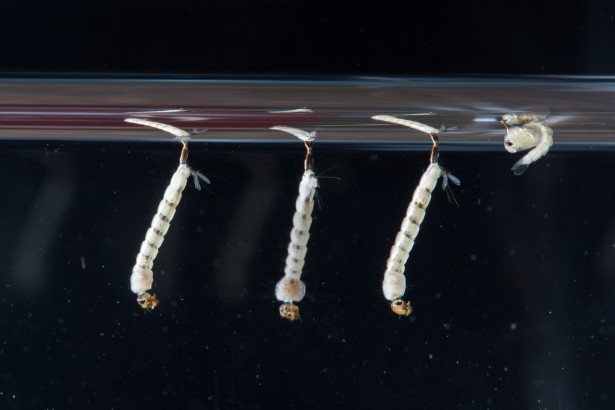
Understanding how mosquitoes feed also makes mosquito control more targeted. Promptly emptying standing water from flower pot saucers and containers after rain can break the mosquito breeding cycle; combined with window screens, mosquito nets, mosquito-repellent plants and mosquito repellent liquid, this can significantly reduce the chance of being bitten. If itching is pronounced after a bite, clean the area and apply anti-itch medication; if abnormal symptoms such as fever appear, seek medical attention promptly.
Related Reading