How Many Teeth Does a Mosquito Have? The Structure of Its Mouthparts Determines How It Feeds on Blood
Strictly speaking, mosquitoes do not have real teeth for chewing food the way humans do. What people commonly call mosquito teeth refers to the rows of tiny serrated structures on their mouthparts. It is generally believed that there are more than forty of these small teeth, mainly distributed on the mandibles of the needle-like mouthparts. Their function is not chewing, but rather helping to cut through the skin when feeding on blood.
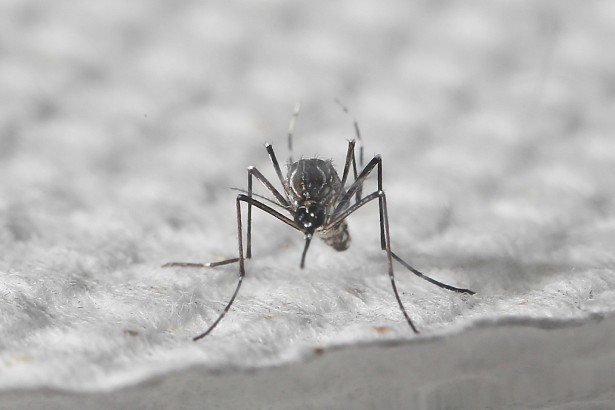
A mosquito's mouth is a slender, elongated proboscis that looks like a hollow needle. When a female mosquito feeds on blood, she first uses the toothed part to pierce the skin and locate a capillary, then injects saliva into the body. The saliva contains anticoagulant components that keep the blood from clotting and make it easier to draw up continuously. The redness, swelling and itching we feel after being bitten are exactly the body's reaction to this saliva.
The reason there is talk of mosquito teeth is that these serrated small teeth are clearly visible under a microscope and line up like a row of little teeth. Male mosquitoes do not feed on blood; they mainly feed on nectar and plant juices, and their mouthparts are relatively reduced, with the small tooth structures less developed than those of females.
Understanding how mosquitoes feed is also helpful for everyday mosquito prevention. Mosquito mouthparts are very small, so window screens and mosquito nets can provide physical barriers; promptly clearing standing water and using mosquito-repellent plants or qualified mosquito-repellent products can noticeably reduce the chance of being bitten. After being bitten, try not to scratch; you can wash the affected area with clean water or soapy water to help relieve the itching.
Related Reading