A Complete Guide to Turtle Behavior: From Diet and Sunning to Hibernation at a Glance
Turtles are common reptiles and are ectothermic animals, meaning their body temperature changes with the ambient temperature. Most of them live near bodies of water such as rivers, ponds and lakes, while some tortoises live mainly on land. Because they depend heavily on temperature, their activity patterns are closely tied to the seasons and climate.
When it comes to diet, most turtles are omnivorous. Aquatic turtles favor animal foods such as small fish, small shrimp, snails and insects, and will also eat aquatic plants and vegetable leaves, while tortoises feed mainly on plant foods such as tender leaves and fruit. When temperatures are low, a turtle's appetite drops noticeably and feeding frequency decreases accordingly, so feeding needs to be adjusted flexibly according to the weather.
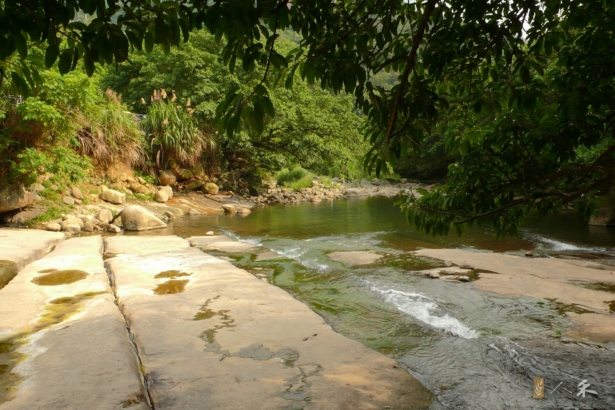
Basking is one of a turtle's important habits. On fine days they often climb onto rocks or a basking platform at the water's edge, raising their body temperature and drying themselves in the sun, which also helps keep their shell healthy. When kept in captivity, a basking platform that rises above the water surface should be provided, along with adequate lighting.
After the air temperature drops noticeably, turtles enter a state of hibernation, usually lying in the mud and sand at the bottom of the water or in sheltered spots, stopping eating and reducing their activity. Before hibernation, make sure the turtle is in good health, and disturb it as little as possible during hibernation. In everyday care, you also need to keep the water clean, change the water regularly, and watch for temperature swings so that the turtle can grow healthier.
Related Reading