Soil classification divides soils into different types based on soil-forming conditions and properties
Soil classification is a foundational task that, according to certain principles and standards and based on soil-forming conditions, soil-forming processes and the physical and chemical properties of soil, groups the soils of nature, which differ widely in character, into different categories. It is rather like creating a file for each soil, making it easier for growers and researchers to accurately identify soils, evaluate soil fertility, and then adopt targeted measures for use and improvement.
The factors that affect soil formation include climate, parent material, topography, organisms and time; because conditions vary from place to place, the soil types produced are also diverse. Among the internationally influential classification systems are the US Soil Taxonomy and the classification scheme of the UN Food and Agriculture Organization, and our country has also formed its own classification system through long-term practice. From the perspective of agricultural production, common soils include black soil, red earth, yellow earth, brown earth, cinnamon soil, purple soil, paddy soil and saline-alkali soil, and they differ markedly in color, texture, acidity and alkalinity, and fertility level.
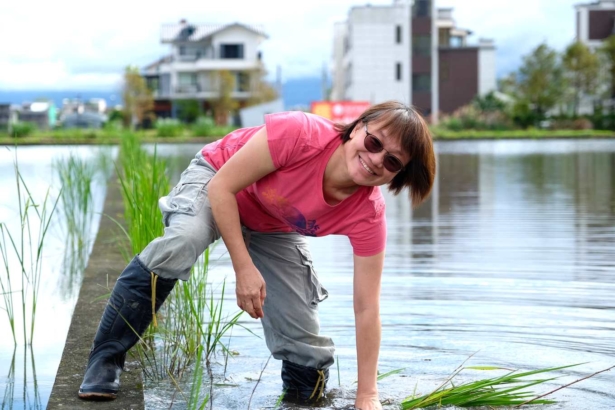
Mastering soil classification is very helpful for planning production. Acidic red earth suits acid-loving crops such as tea plants; black soil is rich in organic matter and has a strong capacity to retain water and nutrients; paddy soil, by contrast, is an anthropogenic soil formed by long-term rice cultivation and hydromorphic ripening. Before planting, first find out which type of soil your plot belongs to, then combine that with soil testing and formula fertilization to plan crops and management measures; this can reduce blind input and put fertilizer where it counts.
Different soils have different priorities in their care. Heavy clay soil has poor aeration and water permeability, so it is advisable to apply more organic fertilizer and improve its granular structure; sandy soil has a weak capacity to retain water and nutrients, so nutrients should be supplemented in small amounts and often. Whichever the soil type, continuously raising organic matter content and protecting soil microorganisms and ecological health are the key to maintaining soil fertility and achieving sustainable farming. When you are unsure of a plot's soil type, you can ask the local agricultural extension department to take samples and test them, and then work out a management plan.
Related reading