Key Points of Peach Tree Management: From Pruning and Fertilizing to Pest and Disease Control
Peach tree management refers to a series of cultivation techniques carried out throughout the entire growth period of peach trees, covering soil, fertilizer and water management, training and pruning, flower and fruit management, and pest and disease control. Whether management is done properly directly affects tree vigor, fruit set rate and fruit quality, and is an important link that determines growing profitability.
Pruning is one of the core aspects of peach tree management. Peach trees have a strong demand for light, and production mostly adopts tree shapes such as the open-center form to keep the canopy well ventilated and exposed to light. During the winter dormant period, training and pruning are carried out to thin out overly dense branches, crossing branches and diseased or pest-infested branches; during the growing season, measures such as bud removal, pinching and branch bending are used to control excessive shoot growth and balance the relationship between vegetative growth and fruiting.
Soil, fertilizer and water management need to be carried out in combination with phenological stages. Fertilization is generally applied in split doses at key stages such as bud break, fruit set and fruit enlargement, and emphasis is placed on applying organic fertilizer in autumn to build soil fertility. During the flowering and fruiting period, flower and fruit thinning should be done well to control a reasonable crop load and reduce the phenomenon of alternate bearing; regarding water, attention should be paid to timely drainage and irrigation to prevent root rot from waterlogging or fruit drop caused by drought.
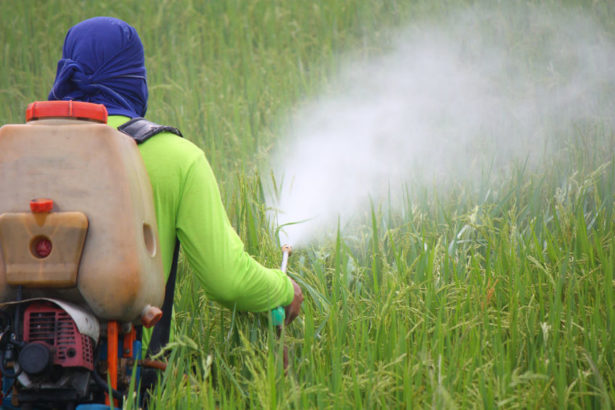
Pest and disease control should run throughout the year. Common diseases include brown rot, peach leaf curl, bacterial shot hole and gummosis, while common insect pests include aphids, red spider mites and fruit borers. Management should be based on agricultural measures such as winter orchard sanitation, pruning out diseased branches and strengthening tree vigor, combined with integrated means such as physical trapping and scientific pesticide use for prevention and control, reducing pesticide residues and ensuring the food safety of the fruit.
Related Reading