Managing persimmon trees requires good pruning, fertilization, and pest and disease control
The persimmon tree is a deciduous tree in the family Ebenaceae, cultivated in many places across northern and southern China; its fruit can be eaten fresh or processed into products such as dried persimmons. Persimmon tree management refers to a series of routine care tasks carried out around planting, pruning, water and fertilizer, flower and fruit regulation, and pest and disease control, and the level of management directly affects tree vigor and the yield and quality of the fruit.
Pruning and shaping are key points in persimmon tree management. During the young tree stage, the focus is on building the framework, often trained into a natural open-center shape or a modified leader shape, so that the canopy is well ventilated and lets light through; after entering the fruiting stage, dead branches, diseased and pest-infested branches, and overly dense branches are mostly removed in winter, while in summer pinching and twisting of shoots are used to control excessive growth, prompting the fruiting mother branches to become strong and well-developed, laying a good foundation for flowering and fruiting the following year.
Water and fertilizer supply should follow the phenological stages. Base fertilizer is generally applied after harvest or in early spring, mainly consisting of decomposed organic fertilizer, combined with an appropriate amount of phosphorus and potassium fertilizer; during the growing season, additional fertilizer is applied as appropriate at key stages such as bud break, flowering, and fruit swelling. Irrigate promptly during drought, and ensure good drainage during the rainy season to prevent waterlogging in the orchard from causing root rot.
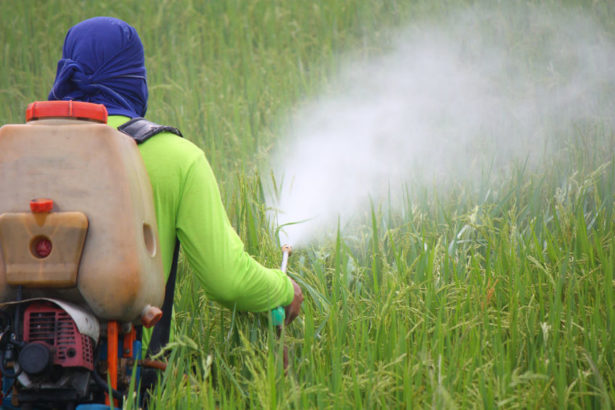
As for pests and diseases, anthracnose, persimmon stem borer, and persimmon mealybug are relatively common, and can be controlled through integrated measures such as winter orchard cleanup, scraping off old and peeling bark, and rational pesticide use during the growing season. Proper fruit thinning after fruit set helps reduce the alternate bearing phenomenon and makes fruit size more uniform. Overall, persimmon trees are highly adaptable and relatively tolerant of rough management, but achieving a stable harvest still depends on continuous and meticulous care.
Related Reading