What Is the Water Monkey? The Water Monster of Folklore and Its Real-Life Prototype
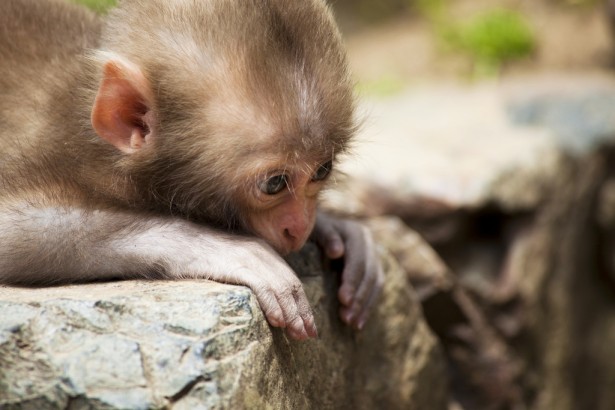
The water monkey is a type of aquatic spirit in Chinese folklore, known in many places as the water ghost. Legend says it dwells in rivers, ponds, reservoirs and other bodies of water, with a body shaped like a child or an ape, covered in hair and possessed of great strength, and it is often described as dragging people or livestock that enter the water down beneath the surface. Tales of this kind spread especially widely in rural areas crisscrossed by waterways.
In stories from different regions, the water monkey does not always take the same form. Some accounts hold that it resembles a monkey, with webbed hands and feet, able to stay submerged for long periods; others describe it as a slippery, immensely strong humanoid monster. Because the images are so similar, it is often compared with the kappa of Japanese legend. These descriptions, however, all come from stories passed down by word of mouth, and there is no physical evidence for them.
As for the prototype behind the water monkey, the common explanation points to semiaquatic animals such as the otter. Otters mostly appear in rivers and ponds at dawn and at night, with nimble bodies and swift movements, and people in ancient times who caught a glimpse of one were apt to let their imaginations run. In some local dialects, the water monkey is also used as a common name for the otter. In addition, drifting deadwood in the water or large fish tangled in waterweed may also be mistaken for a water monkey.
From a practical standpoint, the legend of the water monkey served mainly as a warning. In the past, rural areas lacked systematic swimming safety education, and adults often used the story of the water monkey dragging people under to warn children not to play by rivers and ponds alone, which objectively reduced the risk of drowning considerably. Today there is no need to take such legends seriously, but it is still very necessary to be extra careful when spending time near water in summer.
Related Reading