Main Characteristics of Amaryllidaceae Plants and Introduction to Common Ornamental Varieties
Amaryllidaceae is a monocotyledonous herbaceous group within the angiosperms, most members of which have underground bulbs, with leaves that often emerge from the base and are linear or strap-shaped. When blooming, the flower scape rises from the center of the bulb, bearing an umbel at its tip; the flowers are large and brightly colored, the tepals are usually six in number, and an inferior ovary is an important identifying characteristic of this family.
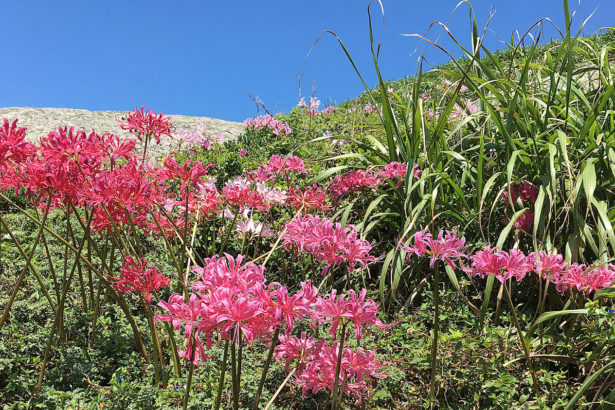
Amaryllidaceae plants are widely distributed in tropical and subtropical regions of the world. Common genera include Lycoris, Narcissus, Hippeastrum, Clivia, Crinum, and Zephyranthes. Among them, Lycoris flowers mostly bloom in autumn, with flowers appearing before the leaves; when in full bloom, only the flowers are visible and no leaves can be seen, which is why they are also called equinox flowers in folk tradition. Autumn wildflower landscapes such as the red flowers of Matsu and the golden flowers of Jinshan are related to this type of wild Lycoris.
The value of this family lies mainly in ornamental use. Narcissus, Hippeastrum, and Clivia have long been well-known garden and potted flowers, while Lycoris, Zephyranthes, and others are also often used in flower border arrangements and ground cover. In addition, some species contain alkaloids such as lycorine, which have certain research value in the medical field, but this also means that most of them are toxic.
In terms of cultivation, Amaryllidaceae plants generally prefer well-drained, loose, and fertile soil. Bulbous types should be planted shallowly and protected from waterlogging to prevent bulb rot. Special caution is needed because the bulbs of most species are toxic and must not be eaten by mistake. When planting at home or dividing offsets, it is best to wear gloves and avoid letting the sap contact the mouth, nose, and wounds.