An Introduction to the Characteristics, Uses and Cultivation Techniques of Mountain Pepper
Mountain pepper is a deciduous small tree or shrub of the genus Litsea in the family Lauraceae. Folk also often call it mujiangzi or shancangzi, and among the indigenous tribes of Taiwan, China it is known as maqaw, making it a fairly representative traditional spice plant there. It is mainly distributed in the warm mountainous areas of the south, commonly found at forest edges, in open woodlands or beside streams and valleys. In the past it was mainly gathered from the wild, and today more and more people are beginning to try cultivating it artificially.
In appearance, the fruit of mountain pepper is small and round, green when unripe and turning dark brown when ripe. Its most distinctive feature is its aroma: the fruit carries a rich lemony fragrance together with a tingling numbing sensation, and the leaves and flowers also contain aromatic essential oils, so it can be said that the whole plant is fragrant, which is also an important characteristic that sets it apart from ordinary pepper.
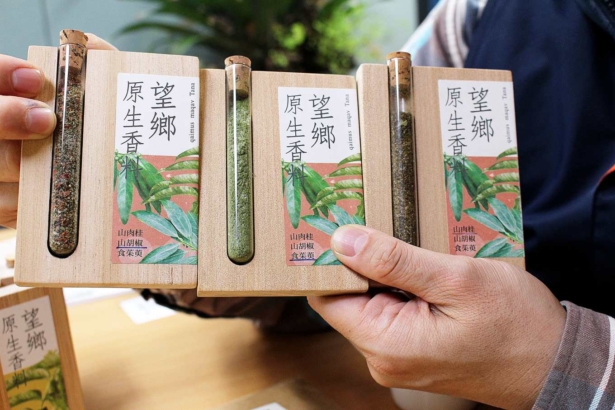
In terms of uses, mountain pepper is most often used as a seasoning spice. After being pickled with salt or oil, the fresh fruit can remove fishiness and enhance the flavor of meats and aquatic products, and it can also be processed into sauces or seasoning powders. The essential oil obtained by distilling the fruit is an important raw material for natural fragrances and can be used in food and personal care products, and there is also a folk practice of using it as medicine to strengthen the stomach and dispel wind, so its applications are quite wide-ranging.
As for cultivation, mountain pepper likes a warm and humid environment and is suitable for planting in slightly acidic soil with deep soil layers and good drainage. It is mostly propagated by seed, and during the seedling stage attention should be paid to shading and maintaining moisture. Its management is relatively extensive and it grows fairly quickly, but attention must be paid to the prevention and control of anthracnose and leaf-eating pests. The timing of harvest is also crucial; generally the fruit is picked while still green and at its most aromatic, as the flavor declines noticeably if picked too late, and only timely harvesting can ensure quality.
Related Reading