A Complete Guide to Grape Growing Techniques: Management Essentials from Site Selection to Harvest
A complete guide to grape growing techniques refers to a set of cultivation and management knowledge organized around the entire process of grapes from vineyard establishment to harvest, generally covering site selection, variety selection, planting methods, trellis systems and training and pruning, water and fertilizer management, flower and fruit management, and pest and disease control. It can serve both as an introductory guide for beginners and as a way for experienced growers to check for and fill gaps in management details.
Grapes like light and good ventilation, so when establishing a vineyard, growers usually choose open, well-drained plots and select suitable variety types according to the local climate, with the three common categories being table grapes, wine grapes and raisins. After planting, trellises should be set up promptly and vines tied to them; the most common trellis systems are the hedgerow and the overhead trellis. Then, through winter pruning and summer pinching, the vine vigor is regulated to lay a solid foundation for stable fruiting.
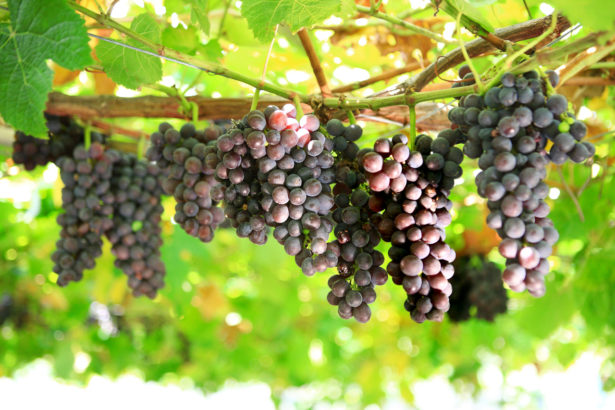
Management during the growing season focuses on water, fertilizer and the regulation of flowers and fruit. Grapes have different nutrient needs at different stages such as bud break, flowering and fruit swelling, so topdressing should be scheduled according to the phenological phases; watering should be done lightly and frequently, with timely drainage after rain to prevent waterlogging and root rot. Thinning clusters and berries appropriately around flowering and controlling the crop load can make the clusters more compact and uniform and allow sugar to accumulate more fully.
Pest and disease control is often the difficult part in actual growing. Downy mildew, gray mold and white rot are more likely to occur under high humidity, so daily attention should be paid to basic farming practices such as cleaning the vineyard, tying canes and pinching tips, combined with scientific use of pesticides to reduce the probability of occurrence. Once these technical points are mastered, growers can carry out management in an orderly way by season and gradually improve fruit quality and the overall benefits of the vineyard.
Related Reading