Grape Growing Methods: From Site Selection and Trellising to Pruning, Water and Fertilizer, Every Step Matters
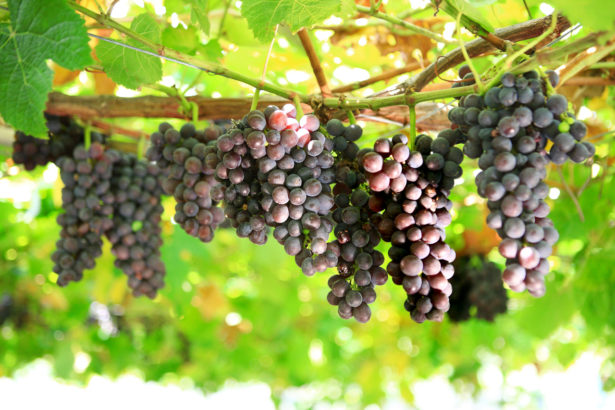
Grape growing methods refer broadly to the whole set of cultivation techniques from site selection and planting to day-to-day management. Grapes are climbing fruit trees with vigorous growth and need a trellis to climb on in order to get good air circulation and light, so overall planning before planting is very important. Master every step well, and both fruit quality and yield will be more consistent.
Site selection is the first step. Grapes like light and tolerate drought but fear waterlogging, so generally choose a sunny plot with good drainage, and a loose, fertile sandy loam is best. Planting is usually done after leaf fall in autumn or before bud break in spring, and the row and plant spacing should be arranged according to the variety's vigor and the trellis type, leaving enough room for the roots to spread.
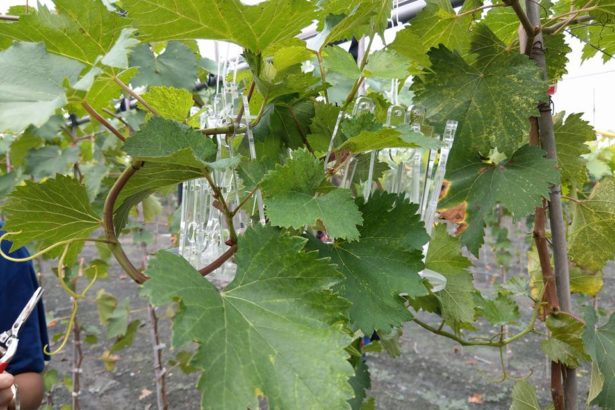
Trellising and training are the signature steps of grape cultivation. Common trellis types include the vertical trellis and the overhead trellis, and growers in different regions can choose flexibly according to climate and variety. After the young plants are set out, the main canes must be guided onto the trellis, and the tree shape built through measures such as pinching and tying the canes, laying the foundation for future fruiting.
Once the plants enter the fruiting stage, pruning and water and fertilizer management become the focus. Winter pruning determines the following year's crop load, while in summer buds must be removed promptly, branches thinned, and shoot tips pinched so that nutrients are concentrated in the fruit clusters. Fertilization calls for combining a base dressing with top dressings, and during key periods such as bud break, flowering and coloring, water must be regulated carefully to avoid cracking or fruit drop caused by alternating drought and waterlogging.
Pest and disease control should not be neglected either. Downy mildew, white rot and various fruit borers tend to occur in rainy seasons, so growers should normally clean up the orchard, prune diseased branches, and combine this with physical measures such as bagging to reduce losses. If beginners start by experimenting with a small number of plants and gradually become familiar with the local climate and the characteristics of the variety, their chances of success will be greater.
Related Reading