The difference between grapes and "tizi" (crisp table grapes) is mainly reflected in their appearance, taste and flesh texture.
Botanically, grapes and tizi both belong to the grape family Vitis and the genus Vitis, and are essentially different commercial names for the same category of fruit. The term tizi comes from Cantonese-speaking regions and mostly refers to fresh-eating grapes of the Eurasian species with long oval berries and crisp, firm flesh; Red Globe is a representative variety, while what people ordinarily call grapes covers a much wider range of varieties.
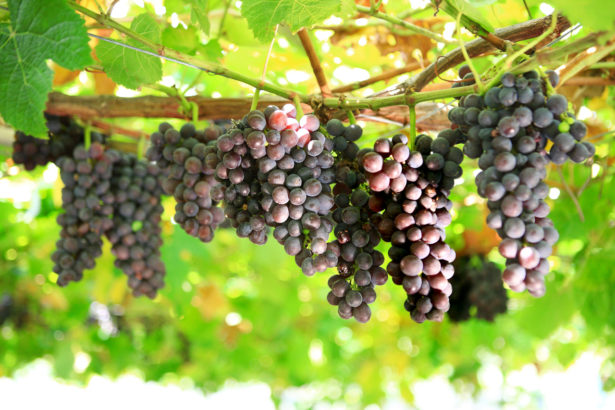
The two differ fairly noticeably in appearance and taste. Grape berries are mostly round, with relatively thick skins, and colors ranging from green to deep purple; the flesh is soft, tender and juicy, with a pronounced sweet-and-sour taste, and the skin separates easily from the flesh, so the whole berry can be peeled and eaten. Tizi berries tend toward an oval shape, with thin skins that cling tightly to the flesh, bright color, and firm, crisp flesh that is usually sweeter; the skin and flesh do not separate easily, and many people are used to eating them skin and all.
In terms of nutrition and consumption, the main components of the two are similar; both contain glucose, fruit acids and various vitamins and minerals, making them suitable as an everyday fruit for replenishing energy. When selecting them, you can check whether the bloom is even, whether the stems are fresh and green, and whether the berries are plump and firm; these are common ways to judge freshness.
It should be noted that tizi is not a separate species; naming habits differ from place to place, and the same fruit may be called a grape or tizi in different markets. After buying them, it is advisable to store them at low temperature and eat them as soon as possible; when washing, simply rinse gently under running water, and avoid soaking them for a long time, which affects the flavor.
Related Reading