A Complete Guide to Grape Vine Management: Mastering Water, Fertilizer, Pruning, and Flower and Fruit Management
Grape vine management technology refers to a series of cultivation measures taken throughout the entire growth cycle of grapes, centered on soil, fertilizer and water, training and pruning, flower and fruit management, and pest and disease control. Grapes are perennial woody vines with vigorous growth and strong fruiting capacity, but their canes grow quickly and flower bud differentiation is demanding, so whether management is done properly directly affects yield and fruit quality. On the same plot of land, different levels of management can produce markedly different final results.
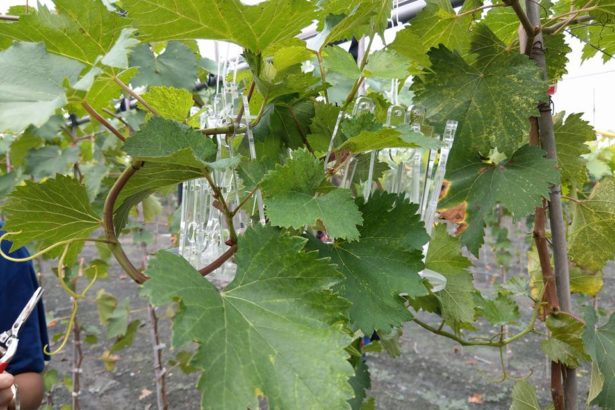
In day-to-day management, training and pruning are the foundational work. Winter pruning determines the distribution of fruiting canes for the coming year, while in summer, bud rubbing, shoot tipping and thinning must be done promptly to keep the trellis surface well ventilated and exposed to light. Common grape trellis systems include the hedgerow trellis and the overhead trellis, each corresponding to a different training method, and the choice can be made according to variety characteristics and local climatic conditions.
Water and fertilizer management should follow the phenological stages: before and after bud break, before and after flowering, during fruit swelling, and after harvest are the key fertilization points; irrigation should not be flood irrigation, to avoid fruit cracking or excessive cane growth. For flower and fruit management, thinning flowers and fruits in a timely manner and tidying the clusters can improve berry uniformity and market quality, and orchards with the means can also use bagging cultivation to reduce pest and disease damage.
Pest and disease control is based on prevention. Downy mildew, white rot, gray mold and the grape clearwing moth are among the more common targets on grapes, and winter orchard cleaning, timely removal of diseased and residual tissue, and scientific use of pesticides are all indispensable. It should be noted that many beginners focus only on spraying and neglect pruning and ventilation; in fact, excessively high humidity in the orchard is an important reason for recurring disease, and only integrated management can achieve stable yields and high quality.
Related Reading