Bullfrog Rice Paddy Farming: Rice-Frog Symbiosis Achieves Two Harvests from One Field
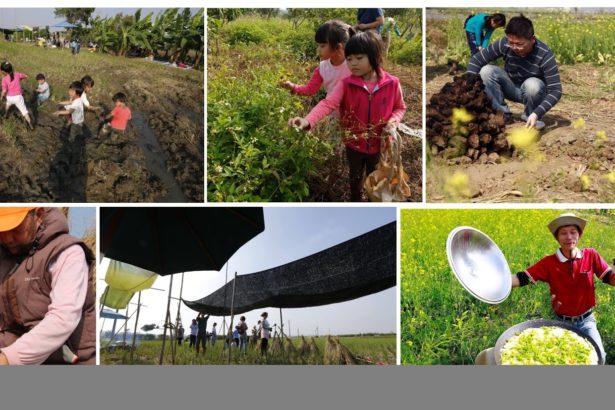
Bullfrog rice paddy farming is a rice-frog co-culture model that combines rice cultivation with bullfrog farming. Farmers release juvenile frogs of a certain size into the paddy field after transplanting, letting the frogs and rice grow together in the same field, forming a production method of one field used twice and two harvests from one water body.
The mutual benefits of this model are fairly obvious. The water layer and the shade of the rice plants provide the bullfrogs with a living environment close to nature, and insects in the field become the frogs' natural bait; in turn, the bullfrogs prey on rice paddy pests, and their excrement fertilizes the field, helping to reduce inputs of pesticides and chemical fertilizers. The rice and bullfrogs produced also more easily follow an ecological quality route.
There are several key steps in field management. First, the field ridges must be raised and reinforced, and fencing or anti-escape netting installed, because bullfrogs are good at jumping and, once they escape, may put pressure on the surrounding ecology; second, water level and water quality must be well managed, and shallow ditches may be dug in the field or deep-water zones reserved, balancing rice field drying with bullfrog habitat, with the water level appropriately deepened in hot seasons; stocking density must be reasonable, as overly high density easily pollutes water quality and induces disease, and daily care must also guard against natural enemies such as birds and snakes.
Overall, bullfrog rice paddy farming has relatively controllable inputs and relatively high product added value, making it suitable for rice-growing areas with good water source conditions to try. However, the bullfrog is an introduced species, so anti-escape facilities must be fully in place, and disease control should focus on prevention, so that rice-frog double harvests can be achieved stably over the long term.
Related Reading