The medicinal value of pumpkin should not be underestimated: the fruit, seeds, vines and leaves can all be used as medicine
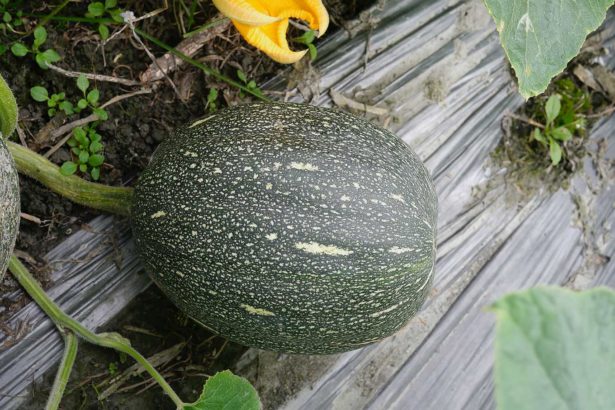
Pumpkin is an annual trailing herbaceous plant of the genus Cucurbita in the gourd family (Cucurbitaceae). It is both a common vegetable on the dining table and holds a place in traditional medicine. In traditional Chinese medicine, pumpkin is considered warm in nature and sweet in taste, entering the spleen and stomach meridians, with effects such as tonifying the middle and boosting qi, and reducing inflammation and relieving pain. Its fruit, seeds, vines and stems, leaves, flowers and even the fruit stalk have all been recorded as medicinal in materia medica texts through the ages.
Pumpkin seeds are the most frequently mentioned medicinal part; traditional Chinese medical texts record that they have deworming properties, and they are commonly used in folk practice to expel tapeworms. In terms of modern nutrition, pumpkin seeds are rich in zinc, magnesium and unsaturated fatty acids, and can be eaten as an everyday nut snack. Pumpkin flesh is rich in carotene, pectin and dietary fiber, which help protect eyesight and maintain intestinal health; steaming it or cooking it into porridge makes it relatively mild and easy to absorb.
In everyday food therapy, pumpkin is often cooked into porridge with millet, red dates and the like, making it suitable for gently nourishing people with weak spleen and stomach; young pumpkin vines and pumpkin flowers are also eaten as seasonal vegetables in some regions. In addition, there is a folk tradition of mashing the pulp or leaves and applying them externally to help with minor sores and ulcers; such uses are best carried out under the guidance of professionals.
It should be noted that pumpkin is not low in sugar, so people with diabetes should control their intake and should not treat it as a blood-sugar-lowering food and eat it freely; people with a hot constitution who easily get bloated should also not eat too much of the warm-natured pumpkin. Pumpkin stored too long or with a rotten, deteriorated rind may produce harmful substances and must never be eaten. Whether for medicinal use or food therapy, fresh, ripe pumpkin should be the prerequisite, and if you feel unwell you should still seek medical attention promptly.
Related Reading