What Are Ants Afraid Of? These Common Substances Can Effectively Repel Ant Colonies
What ants are afraid of starts with their living habits. Ants rely mainly on smell and pheromones to get around; strong or pungent odors interfere with their ability to recognize routes and make the colony detour on its own. Because they are tiny, they also fear powdery and sticky substances that block their steps, and they fear having their nest flooded with water. Once you understand these traits, you can drive ants away in gentle ways.
There is no shortage of commonly used ant-repelling materials in daily life. Strong-smelling things such as white vinegar, lemon peel, mint, camphor, chili powder, cinnamon powder and coffee grounds, sprayed or sprinkled along the paths ants use, in wall corners, on windowsills and around flower pots, all have a certain repellent effect; fine powders such as talcum powder and diatomaceous earth make ants' feet pick up powder and struggle to walk, so they are often used to draw barrier lines. However, these methods can only repel ants and can hardly reach the colony hidden in the nest, so they need to be reapplied often to maintain their effect.
Rather than repelling them, improving the environment is the fundamental solution. Food scraps, sugary water, grease stains and standing water are the most likely to attract ants, so kitchen countertops and trash bins should be cleaned up promptly, and gaps in doors, windows and walls should be sealed in time; once the colony loses its food source, it will naturally decline. In farmland and vegetable gardens, ants often live symbiotically with aphids and scale insects, feeding on the honeydew they secrete and protecting these pests; controlling aphids in time will also reduce ant damage.
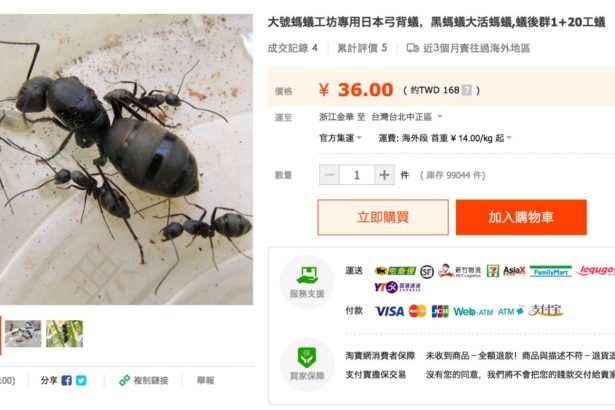
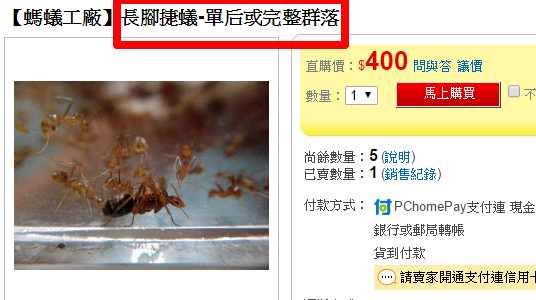
Two more reminders. Ants can loosen soil and break down organic matter, and they are part of the ecosystem, so scattered activity does not need to be wiped out completely; even more, do not buy or keep exotic ant species out of curiosity, because once they escape and spread they may become invasive species and threaten local ecology and agricultural production. When facing an ant problem, focusing on repelling and prevention and seeking professional control only when necessary is the reliable approach.
Related Reading