A Complete Guide to Ant Habitats: Nest Types and Living Habits
Ants are one of the most widely distributed groups of insects on Earth. Apart from the polar ice sheets and high-altitude areas covered in snow year-round, they can be found in almost every kind of terrestrial environment. Warm, humid places with plenty of food and easy nesting sites tend to have the most thriving ant colonies. Ants are highly sensitive to environmental change and will relocate their nests as the seasons shift and food sources change.
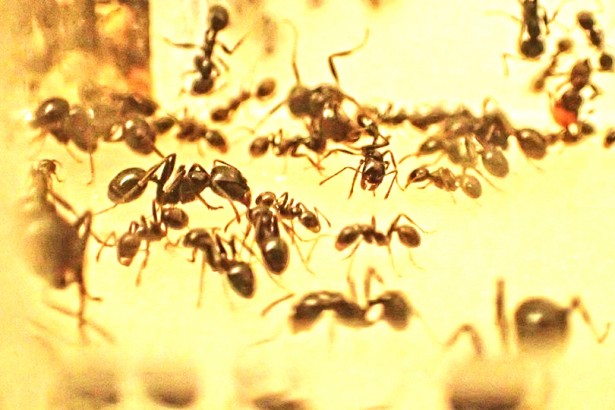
Most ants choose to build their nests underground, excavating interconnected tunnels and chambers of various sizes, used respectively for storing food, raising larvae and housing the queen. The temperature and humidity inside the nest are more stable than outside. Some species prefer rotting wood, tree hollows or cracks in bark, and others live in symbiosis with specific plants, building their nests inside the hollow cavities of plant stems.
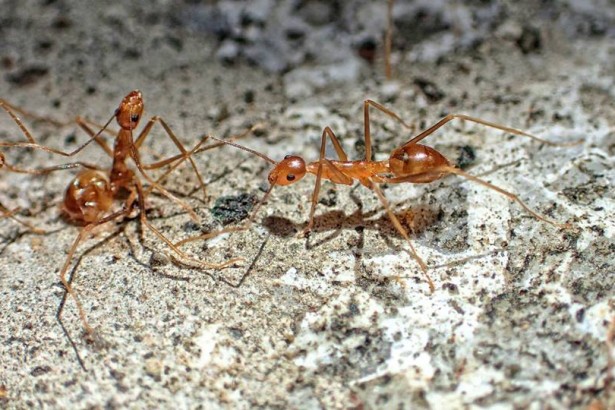
Ants also adapt well to human living environments. Wall cracks, under floors, the bottoms of flower pots and even gaps around electrical appliances can all become their footholds, and the sugar and grease stains in kitchens are especially attractive to them. Temperature and rainfall clearly affect ant activity; they tend to be more active in warm, humid periods, and some species perform nuptial flights to disperse after rain.
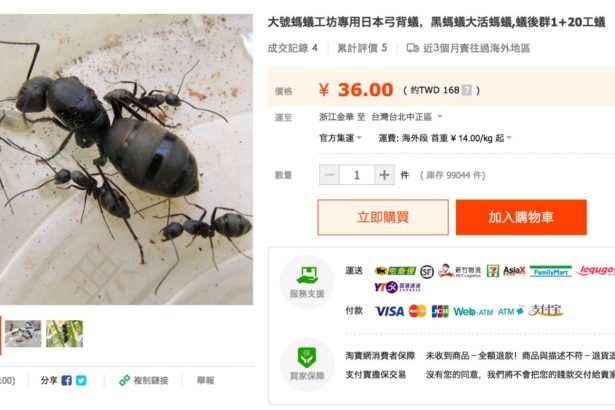
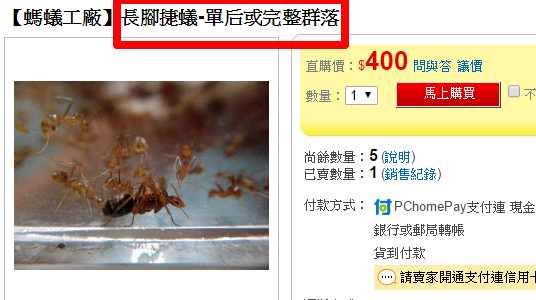
Ants play an important role in ecosystems by loosening soil, dispersing seeds and breaking down organic matter, and they are also a food source for many birds and other animals. It is worth noting that casually buying exotic ants as pets poses ecological risks; once they escape or are released, they may threaten local agriculture and ecological balance. When ants appear at home, storing food properly, sealing cracks and keeping things dry will usually reduce the nuisance effectively.
Related Reading