Papaya: Benefits, Effects, and How to Eat It Explained in Detail
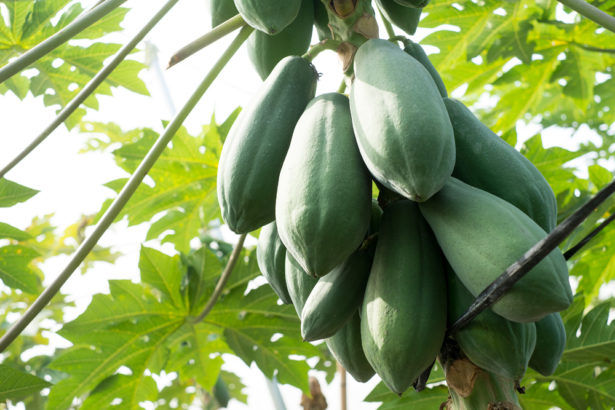
Papaya is the fruit of a common tropical fruit tree. What is mostly eaten fresh on the market is the papaya (Carica papaya), whose flesh is orange-yellow or orange-red, soft in texture and sweet; while the papaya in traditional Chinese herbal medicine mostly refers to the Rosaceae Xuan papaya (Chaenomeles speciosa), and the two are not the same in plant classification. When discussing food value in daily life, papaya usually refers mainly to Carica papaya, and its varieties differ slightly according to fruit shape and flesh color, with flavors ranging from light and refreshing to rich.
From a nutritional point of view, papaya is rich in vitamin C, carotene and dietary fiber, and contains papain, an enzyme that helps break down protein, so people often add papaya when stewing meat to soften it. Papaya has high water content and is not high in calories; eating a portion of fresh fruit after a meal is refreshing and easy to digest, making it a fruit many families keep on hand.
There are quite a variety of ways to eat it. Ripe papaya can be cut open and eaten raw, and is also often blended into papaya milk, fragrant and smooth; unripe green papaya is suitable for shredding into cold dressed dishes, or stewing in soup with pork ribs or fish, and the flesh takes on the broth for a distinctive flavor. When selecting, those whose skin has begun to change color and that yield slightly when pressed lightly are best; after buying, leave them at room temperature to ripen first, and once fully ripe, refrigerate to extend storage time.
There are also a few things to keep in mind when eating it. The folk saying that papaya is cooling in nature is widespread, so those with sensitive stomachs should eat it in moderation; people allergic to latex or certain fruits may feel discomfort after contact with papaya, so it is advisable to try a small amount first. In addition, green papaya has more sap, so wearing gloves when peeling and shredding it can prevent the juice from irritating the skin.
Related Reading