Honey Bee Information Guide: Morphological Characteristics, Common Species, and Pollination Value
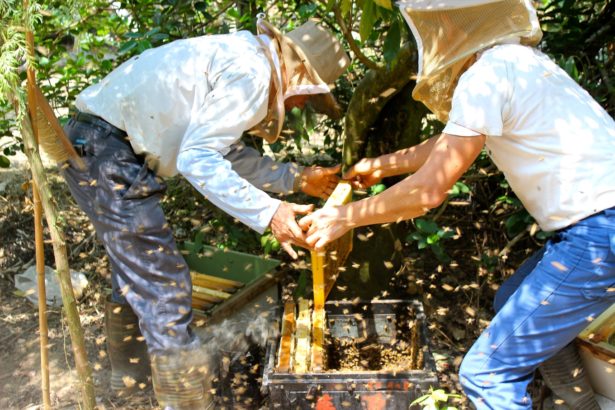
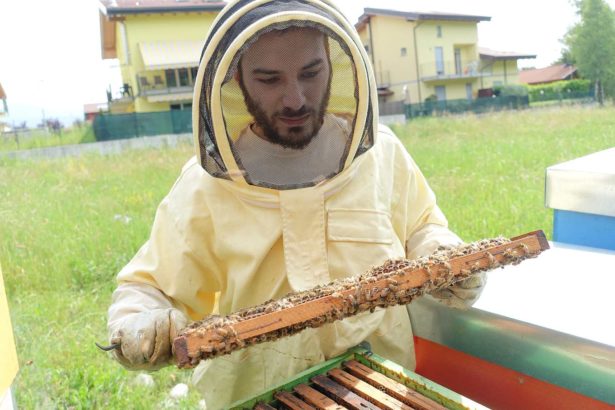
Honey bees are social insects of the family Apidae in the order Hymenoptera, feeding on nectar and pollen, and are among the most important pollinating insects in nature. Wild honey bees often build nests in tree hollows and rock crevices, while artificially kept honey bees live in beehives and are cared for and managed by beekeepers.
A colony usually consists of a queen bee, worker bees, and drones, with clearly divided roles among the three. The queen bee is dedicated to laying eggs and reproducing, worker bees take on most of the work such as collecting nectar, building comb, rearing the young, and guarding the hive, while drones are mainly responsible for mating with the queen. Worker bees also use specific dance movements to tell their companions the direction and distance of a nectar source, and this unique form of communication is one of the most widely known characteristics of honey bees.
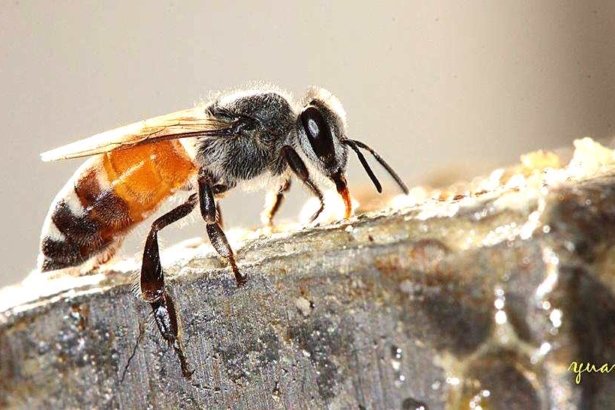
The commonly kept honey bees today fall mainly into two major categories: the Chinese honey bee (Apis cerana) and the Western honey bee (Apis mellifera). The Chinese honey bee is a native species, skilled at making use of scattered nectar sources and highly adaptable to the local environment; the Western honey bee is gentler in temperament and easier to keep on a large scale, and is widely used in commercial beekeeping. In addition, there are also various wild bee species in the wild, such as the giant honey bee (Apis dorsata) and the dwarf honey bee (Apis florea), which likewise play a pollinating role in the ecosystem.
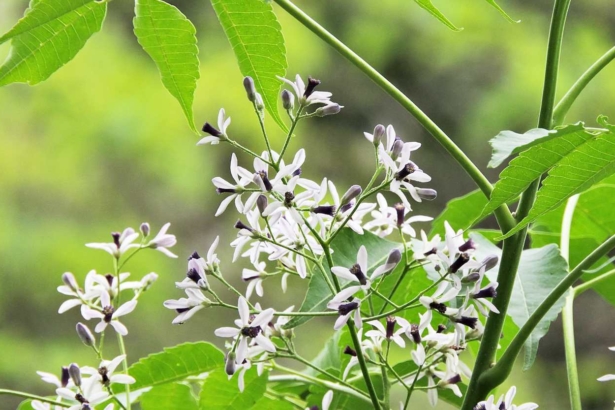
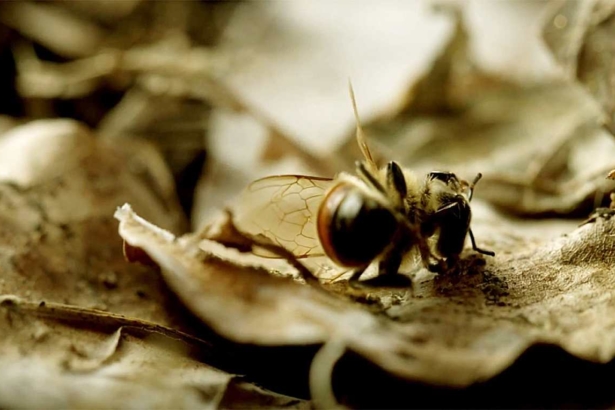
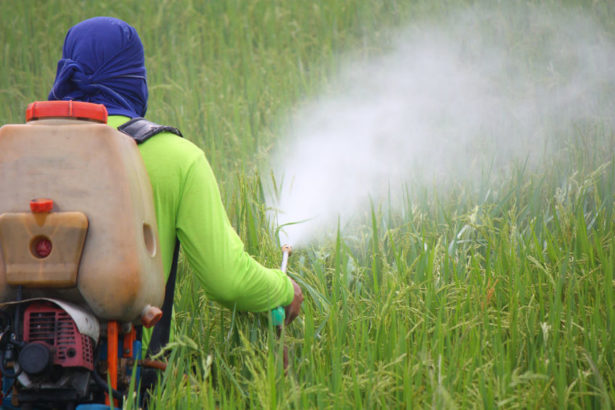
While collecting nectar, honey bees pollinate fruit trees, vegetables, and field crops, directly affecting the fruit set and harvest of crops. The flowering periods of fruit trees such as longan and lychee rely heavily on honey bee pollination. In recent years, problems such as pesticide exposure, a decline in nectar source plants, and pests and diseases have put pressure on colony health, and incidents of honey bee pesticide poisoning also occur from time to time. Therefore, planting a diverse range of nectar source plants, using pesticides cautiously, and preserving safe foraging and habitat environments for bee colonies are important practices for protecting honey bees and maintaining the balance of the agricultural ecosystem.
Related Reading