Ant Pictures: Help You Identify Common Ant Species and Their Identifying Features
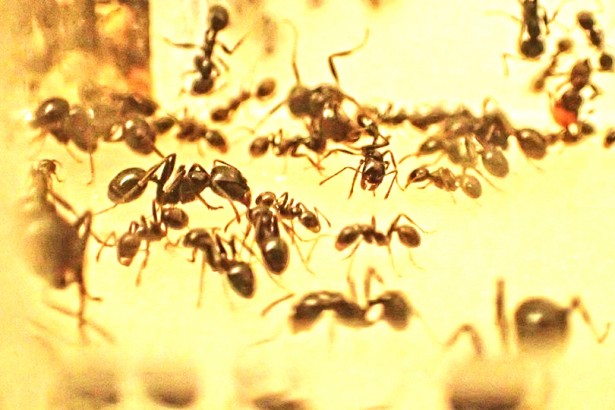
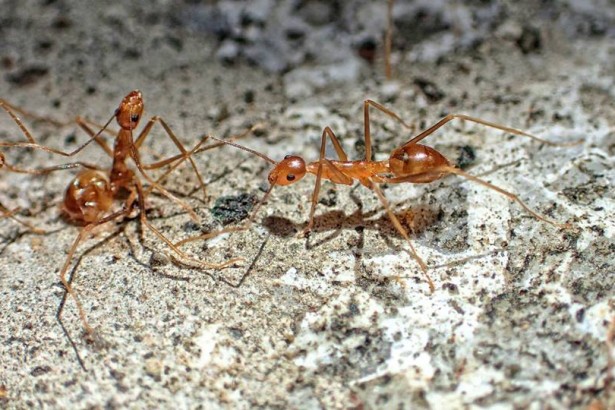
Ant pictures are image materials that take ants as their subject, often used for species identification, popular science education, and agricultural pest monitoring. Ants are small in size and numerous in species, and it is easy to confuse them by naked-eye observation alone. Clear pictures allow you to see details such as body color, body size, antenna shape, and the node structure between the thorax and abdomen, serving as an intuitive basis for determining the species.
Common ant pictures can be roughly divided into several categories: household ants such as the pharaoh ant in home environments, native species active in the wild such as Camponotus ants and Crematogaster ants, and dangerous ants listed among the world's 100 worst invasive species, such as the long-legged crazy ant and the harvester ant. When compiling such pictures, the shooting environment and approximate body length are usually noted, making it convenient for the public to compare and refer to.
In agriculture, the practical value of ant pictures is quite prominent. Some ants live symbiotically with aphids and indirectly protect pests, and invasive ant species may also attack native organisms and harm crops. Farmers and the public can use the pictures to make a preliminary judgment of whether the ants they find are suspicious, and then report to local agricultural or disease control authorities, which helps with early detection and handling.
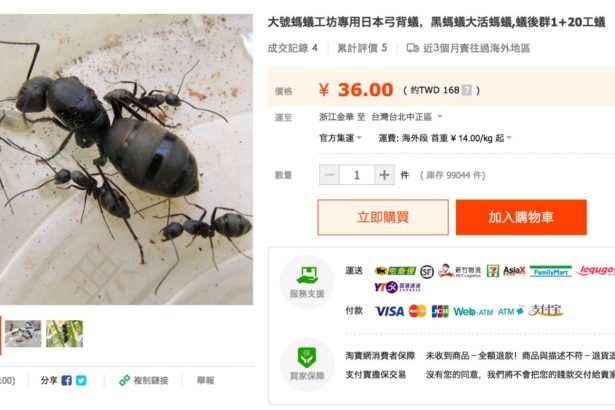
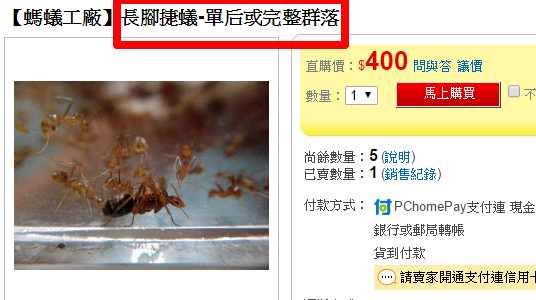
It should be noted that, beyond identifying ants from pictures, you must not buy ants online and keep them as pets just because the pictures are interesting. If exotic ants escape or are released at will, they may establish colonies in the wild and bring irreparable ecological impact. While enjoying ant pictures, adhering to the principle of not buying or selling and not releasing them is the attitude of being responsible for the ecological environment.
Related Reading