Pistachio Tree Pictures: A Visual Appreciation and Introduction to the Tree's Morphological Characteristics
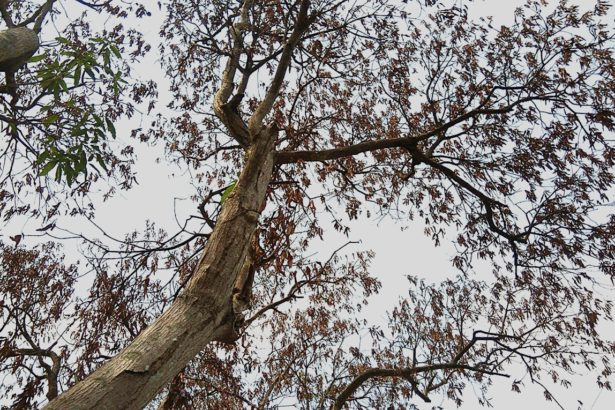
The pistachio tree is a small deciduous tree in the genus Pistacia, family Anacardiaceae, native to Central and West Asia, and named for its fruit, the pistachio. As seen in pictures, it has a relatively spreading tree habit, grayish-brown bark, and pinnately compound leaves, giving the whole plant an open, airy form that is easy to recognize. A mature tree generally grows to several meters tall, with branches that spread naturally, and it also has a certain ornamental value.
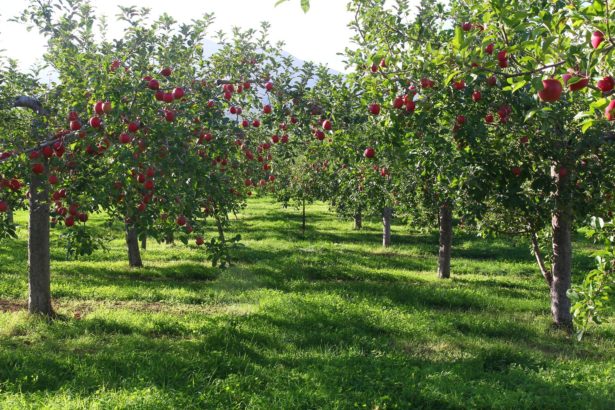
The pistachio tree is dioecious, meaning it has separate male and female plants; its flowers are not showy when in bloom, and once the fruit ripens the shell splits open naturally to reveal the pale green kernel, which is also the origin of its name. Many of the pistachios seen in pictures are the fruit after harvest and processing, whereas the fruit still hanging on the tree appears as clusters of fruiting spikes in reddish-brown or yellow-green tones, clearly different from the dried nuts sold in stores.
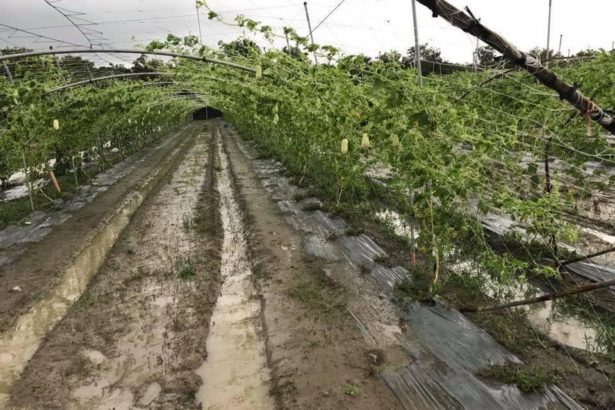
This tree is drought-tolerant and tolerates poor soil, preferring a climate with ample sunlight and a large temperature difference between day and night, and it dislikes waterlogged conditions and overly humid environments. For planting, sloped land with good drainage is usually chosen; routine management requires attention to ventilation and light penetration, along with a reasonable arrangement of pollinator trees to ensure fruit set. Because it takes a relatively long time to reach a stable fruiting stage, growers usually need a certain amount of patience.
The pistachio is not only a common nut food, but its tree form and fruit are also often used in landscaping or as educational material. When browsing pistachio tree pictures, you can focus on observing the leaf shape, bark texture and fruiting state, which helps distinguish it from closely related trees such as the Chinese pistache. For those who want to introduce or identify the species, looking at pictures from different growth stages will be even more helpful.
Related Reading