Insect farming is an emerging industry with both food and environmental value
Insect farming refers to agricultural production activities in which insects are reared artificially for purposes such as food, feed, fertilizer or industrial raw materials. Compared with conventional livestock and poultry farming, it has the characteristics of taking up little space, reproducing quickly and achieving a high feed conversion rate, and in recent years it has been regarded as one of the important directions for easing pressure on food and protein resources.
Common species reared include yellow mealworms (Tenebrio molitor), superworms (Zophobas morio), crickets, black soldier flies (Hermetia illucens), bees and silkworms. Among them, yellow mealworms and crickets are mostly targeted at food or pet feed, while black soldier flies are good at converting kitchen scraps and agricultural waste, and silkworms and bees are long-established economic insects.
In terms of applications, insects can serve both as an alternative protein source for humans and be processed into feed for aquaculture and poultry and livestock, as well as pet food. The frass produced during rearing can also be returned to the fields as organic fertilizer, forming a model of resource recycling.
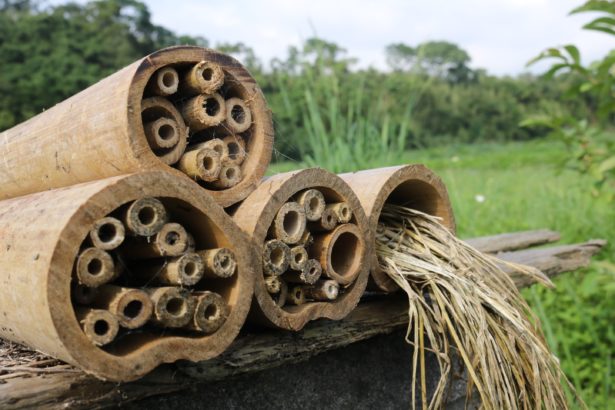
It should be noted that insects are relatively sensitive to temperature, humidity and sanitary conditions, so environmental control and disease prevention management must be done well during rearing. In addition, an insect hotel is a device that provides shelter for wild beneficial insects, and its purpose differs from insect farming, which aims to harvest the insects themselves. Insects used for food also need to comply with regulations on food safety and quarantine; beginners should start on a small scale and gradually expand after accumulating experience.
Related reading