Introduction to the Characteristics and Cultivation Management Points of the Pistachio Tree
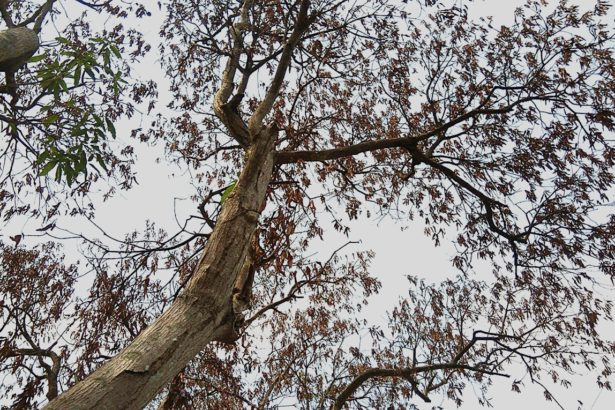
The pistachio tree, botanically known as Pistacia vera, is a small deciduous tree of the genus Pistacia in the family Anacardiaceae, native to the arid regions of Central and Western Asia. The pistachios we usually eat are the seeds of this tree. Because the shell splits open naturally when the fruit ripens, revealing the pale green kernel, it looks like a grinning smile, which is how it got the vivid name "pistachio" (happy nut).
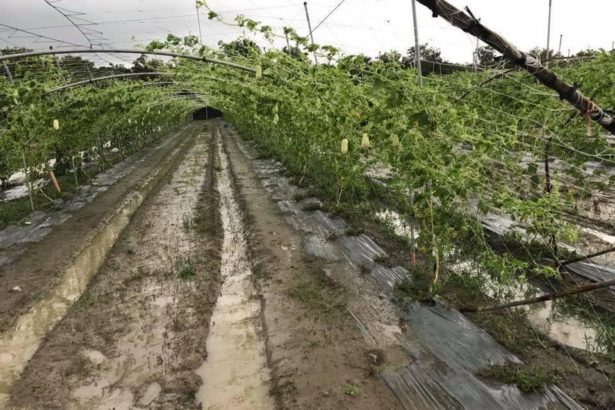
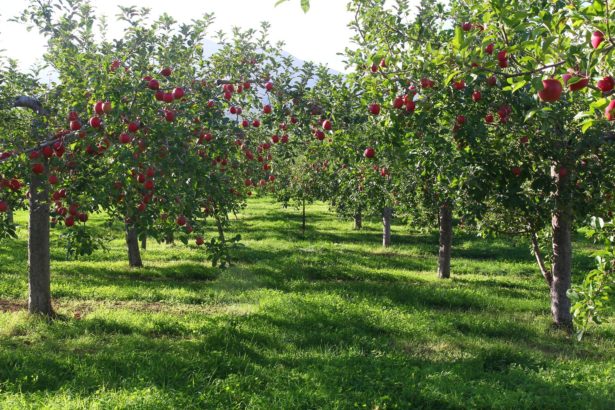
This fruit tree is drought-tolerant and tolerant of poor soil, with a well-developed deep root system. It prefers environments with ample sunlight and large temperature differences between day and night, and dreads waterlogged soil the most. It is a dioecious plant, so orchards need to plant male trees in a certain ratio as pollinizers for the female trees to set fruit successfully. When the fruit ripens, the outer skin turns red and the inner shell splits open, and harvesting is mostly concentrated in late summer and early autumn.
The pistachio tree enters its fruiting period relatively late; young trees must grow for several years before forming a stable yield, but the tree has a long lifespan and, with proper management, can be harvested for many years. When planting, it is best to choose plots with higher terrain and smooth drainage, with loose sandy or calcareous soil being ideal. In winter it also needs a certain amount of low temperature to complete dormancy, so not all warm regions are suitable for growing it.
In terms of application value, pistachio kernels are nutritious, containing oils, protein and various minerals, and are both a common nut snack and widely used in pastries and desserts. At present, commercial pistachios are mainly produced in Western Asia, the Mediterranean coast and California in the United States, and they are also grown in the Xinjiang area of China. When growing them at home, pay attention to preventing waterlogging and root rot, and drain promptly during the rainy season, so the tree can be kept healthy for a long time.
Related Reading