A Complete Guide to the Benefits, Uses and Ways to Eat Cassia Seeds, Easy to Understand at a Glance
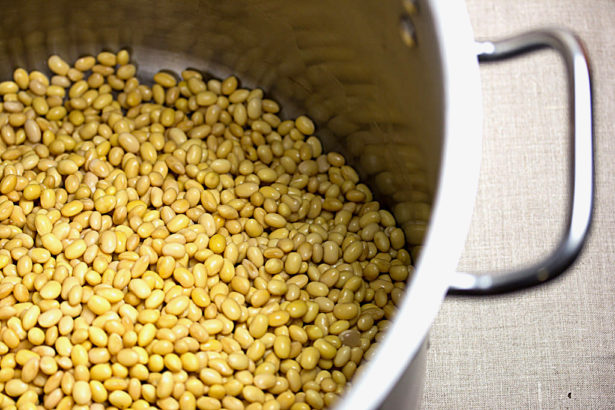
Cassia seeds are the dried, mature seeds of the leguminous plants Senna obtusifolia (cassia) or Senna tora (small cassia). They are a common Chinese medicinal herb and are also often used as a health tea in daily life. The seeds are rhomboid or short cylindrical in shape, hard in texture, and brownish-green or dark brown on the surface, smooth and glossy, with a faint herbal aroma that becomes more pronounced after being roasted.
In traditional Chinese medicine, cassia seeds are sweet, bitter and salty in taste and slightly cold in nature, entering the liver and large intestine meridians. Their main benefits are clearing the liver and improving eyesight and moistening the intestines to relieve constipation, and they are often used for red, swollen and painful eyes, headache and dizziness, and dry-intestine constipation. Modern people mostly brew them in water as a tea to relieve eye fatigue or difficulty in passing stool, but their nature tends toward cool, the effects vary from person to person, and they should not be simply equated with a therapeutic effect.
As for eating them, the most common method is to roast cassia seeds over low heat and then steep them in boiling water. They can be drunk on their own or combined with chrysanthemum, goji berries and other ingredients for a milder taste. When making congee, an appropriate amount of cassia seeds can be simmered together with rice and the like to make a light-flavored multigrain porridge. As for using them as a decoction in medicine, a physician's guidance should be followed, as both dosage and combination vary from person to person.
It should be noted that cassia seeds are cool in nature, so people with a weak and cold spleen and stomach who are prone to diarrhea should not take them in large amounts over the long term, and pregnant women should also use them with caution; it is best to consult a professional before drinking. When selecting them, look for plump grains, even color and no impurities, and give priority to buying from regular channels. If obvious discomfort occurs, seek medical attention promptly; cassia seed tea cannot replace proper treatment.
Related Reading