Cucumber Cultivation: Key Points for Soil Preparation, Sowing, and Water and Fertilizer Management
Cucumber cultivation refers to the entire set of planting and management activities centered on cucumber, a common vegetable of the Cucurbitaceae family, covering the whole process from variety selection, soil preparation and sowing, seedling raising and transplanting, field management, to harvest. Cucumber prefers warmth and is not tolerant of frost; it can be grown both in open fields and under protected cultivation such as greenhouses, so multiple cropping cycles can be arranged throughout the year.
In terms of varieties, cucumbers are often classified by fruit shape and use into large-fruited slicing cucumbers, small-fruited fruit cucumbers, and spined and spineless types, with different varieties differing in heat tolerance and tolerance of low temperatures and weak light. Growers can choose varieties based on local climate, growing season, and market positioning; for over-summer or early-maturing cultivation, it is even more necessary to select varieties with outstanding targeted traits.
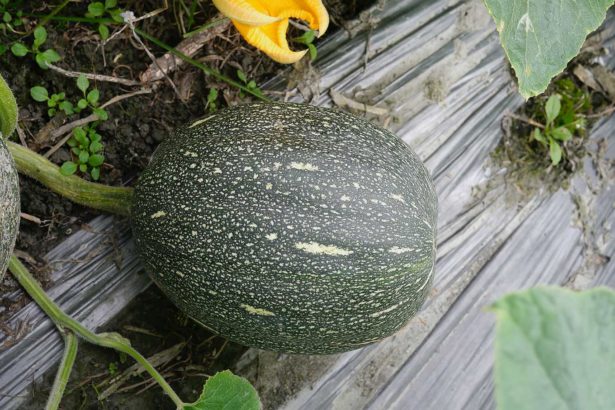
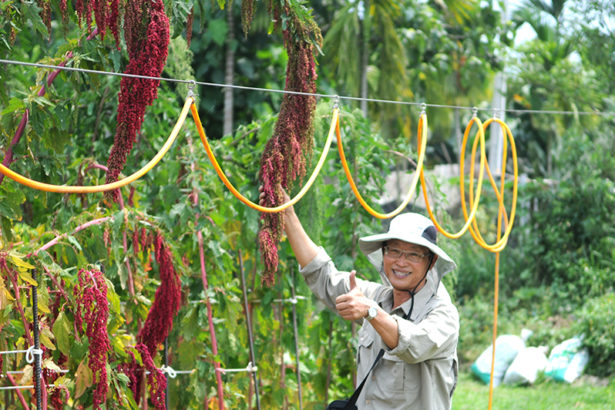
Field management is the core part of cucumber cultivation. Cucumber has a relatively shallow root system and likes fertilizer and water, so it is advisable to choose loose, fertile, well-drained plots and apply sufficient decomposed organic fertilizer as a base fertilizer when preparing the soil; after transplanting, trellises should be set up promptly to train the vines or hang them, with appropriate pruning and removal of side shoots to maintain ventilation and light penetration. During the fruiting period, plants have high water and nutrient demands, and generally a method of small amounts applied frequently is used for topdressing and watering, avoiding alternating drought and waterlogging that can cause deformed cucumbers.
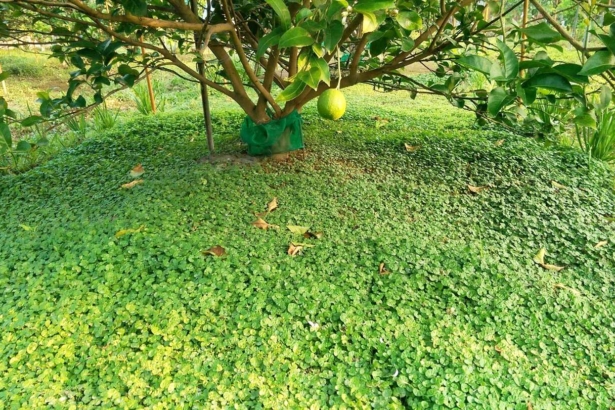
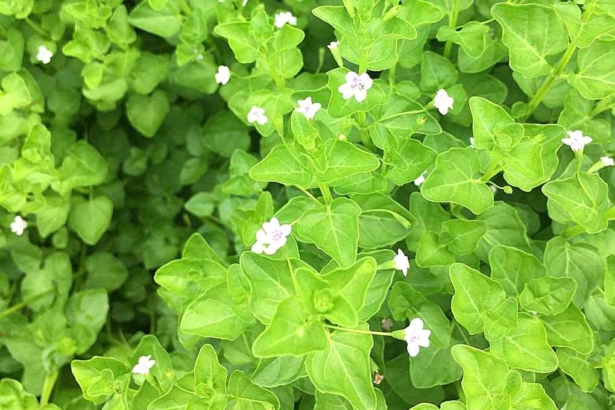
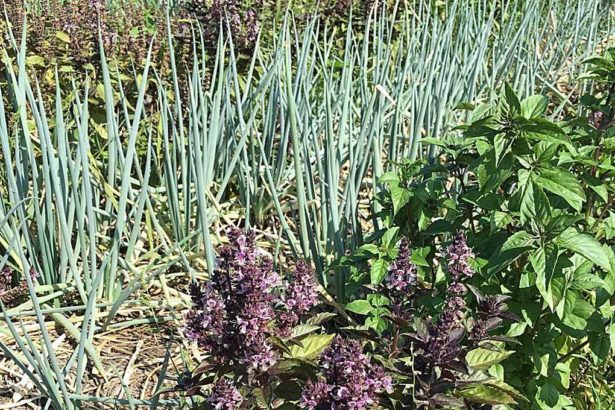
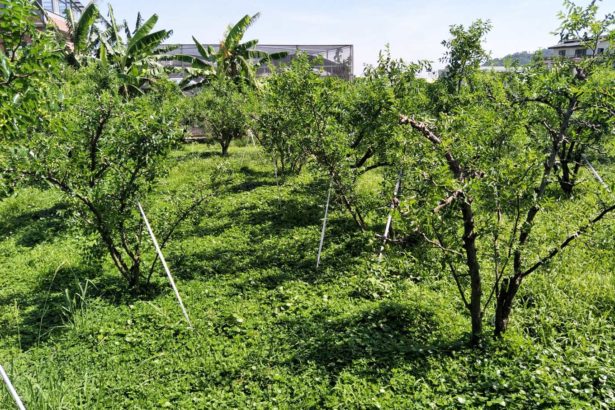
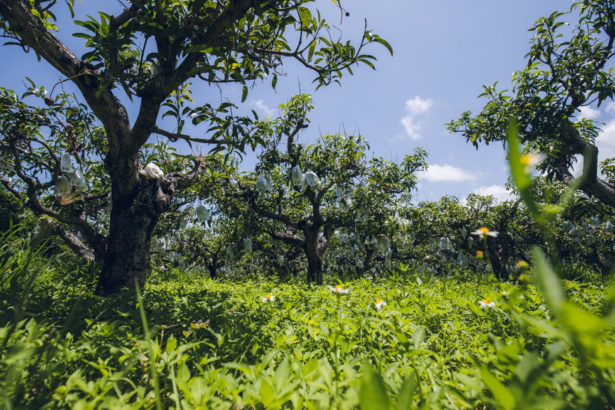
Regarding pests and diseases, downy mildew, powdery mildew, aphids, and others are common threats, and the probability of occurrence can be reduced through agricultural measures such as crop rotation, cultivating strong seedlings, and controlling humidity inside the greenhouse, with targeted pesticide control used when necessary. In addition, long-term continuous cropping easily brings soil-borne diseases and continuous cropping obstacles; some growers adopt grafted seedlings, soil improvement, or methods such as sod culture and intercropping with companion plants to nourish the soil and build fertility, balancing soil health while pursuing yield.
Related Reading