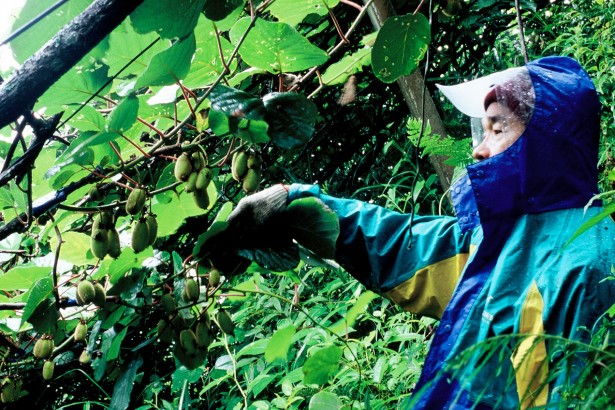
How to Select, Plant and Care for Kiwi Seedlings
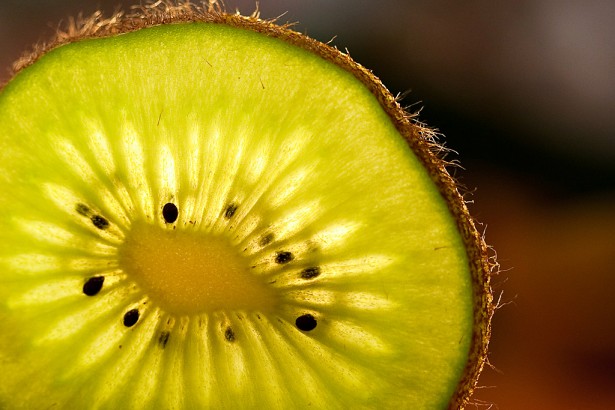
A kiwi seedling is the young plant of the kiwifruit, used for establishing orchards or growing in home gardens. Kiwifruit (Actinidia) originated in China and is a deciduous woody vine fruit tree; the kiwi fruit commonly sold in stores actually belongs to this same kiwifruit group. Because it is a vine, once the seedling grows up it needs a trellis or fence frame for its branches and tendrils to climb on, which is clearly different from ordinary tree fruit crops.
Kiwifruit seedlings on the market fall mainly into two types: seedling-grown (seedling rootstock) plants and grafted plants. Seedling-grown plants are raised by sowing seeds and cost less, but their offspring vary greatly in traits and they take longer to reach the fruiting stage; grafted plants preserve the superior characteristics of the mother variety, bear fruit earlier and produce stable fruit quality, making them the mainstream choice for cultivation. Classified by flesh color, kiwifruit includes green-fleshed, yellow-fleshed and red-centered types, and when planting you can choose a suitable variety according to local climate conditions.
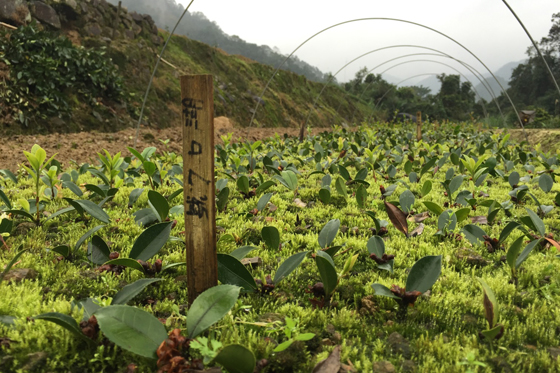
Kiwifruit is a dioecious plant, so at planting time male plants must be reasonably allocated as pollinizers, otherwise it easily happens that plants flower but bear no fruit. The seedlings like a warm, humid environment; during the seedling stage they should be protected from strong direct sunlight and also from waterlogging. It is best to plant them on plots with deep soil and good drainage, and during the growing season good water and fertilizer management and pruning and shaping are also needed to guide the branches and tendrils to spread evenly across the frame surface.
When selecting seedlings, choose strong, healthy nursery stock with well-developed roots, thick stems, plump buds and no pests or diseases, and at the same time confirm that the variety is pure and the graft union has healed well. Planting is generally carried out after leaf fall and before bud break; watering thoroughly after planting helps raise the survival rate. As long as the seedlings are chosen properly and management is done well, kiwi seedlings can gradually enter the fruiting stage after a few years of cultivation, bringing growers sustained returns.
Related Reading