Key Points of Red Globe Grape Cultivation Techniques: Site Selection, Pruning and Disease Control
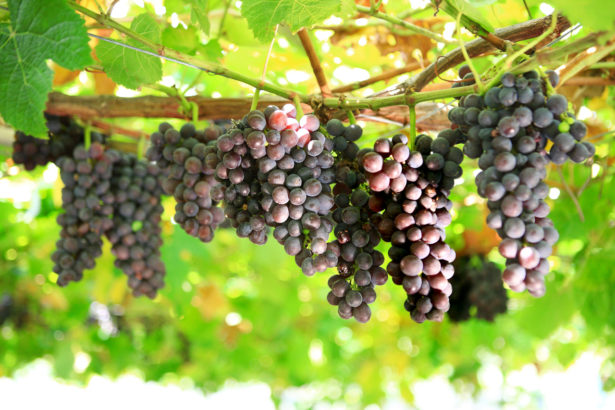
Red Globe grape, also known as Red Globe, is a representative late-ripening table grape variety. Its clusters are large and compact, the berries are round or oval, and when ripe the skin turns bright red; the flesh is crisp and firm with a sweet, refreshing flavor, and it stores and ships well, giving it high market acceptance. For this reason, mastering standard cultivation techniques is crucial for growing Red Globe well.
The first step in growing Red Globe is choosing a good site. It likes light, so a sheltered, sunny plot at a higher elevation with good drainage is preferable, and loose, fertile sandy loam is the best soil. Before planting, deep-plow the soil and apply plenty of well-rotted organic fertilizer as a base dressing, then arrange the plant and row spacing reasonably according to tree vigor and trellis type; in production, trellis or overhead trellis systems are mostly used, and planting after the spring soil temperature rises gives a higher survival rate.
In field management, training and pruning are the core steps. Winter pruning combines thinning out with heading back to develop the main canes and fruiting units; during the growing season, promptly remove buds, pinch tips and tie canes to keep the trellis surface ventilated and well lit. After flowering and fruit set, thin flowers and fruit to control the crop load, and shape the clusters moderately and bag them in time, which can markedly improve skin smoothness and market quality. Fertilization is based mainly on applying organic fertilizer in autumn, supplemented by topdressing at key stages such as bud break and berry enlargement; watering should be balanced, and drainage is important during the rainy season.
Red Globe grape is relatively prone to fungal diseases such as downy mildew, white rot and gray mold; control should focus on prevention, combining orchard cleaning, improved ventilation and rational use of chemicals in an integrated management approach. In addition, alternating dry and wet moisture during the berry enlargement stage can easily cause fruit cracking, so a steady water supply must be maintained. By doing well at the key points of site selection, pruning, flower and fruit management, and pest and disease control, Red Globe can be expected to achieve stable yields and high quality.
Related Reading