An Introduction to the Variety Characteristics and Cultivation and Care Points of Red Globe Grapes
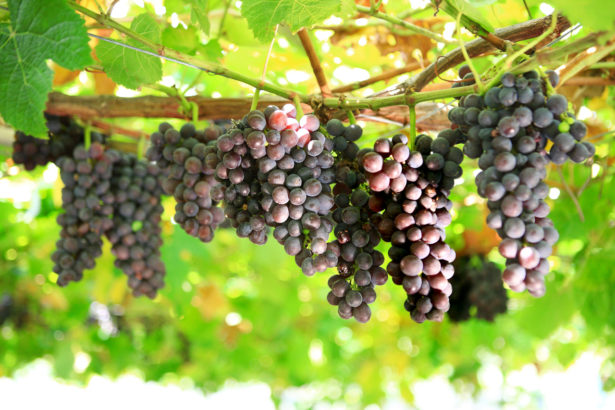
Red Globe grapes, also known as Red Globe, are a Eurasian table grape variety originally from the United States that was later introduced to China, and they are now widely grown in places such as Xinjiang, Hebei, Yunnan and Ningxia. The clusters are mostly conical, and the berries are large and uniform; when ripe, the skin turns bright red or purplish red and is often covered with a natural bloom, giving the fruit a very appealing appearance overall.
In terms of quality, Red Globe grapes have a relatively thick skin and firm, crisp flesh with plenty of juice and a sweet taste accompanied by a light fruity aroma. Because the brush is thick and long and the berries are firmly attached, the grapes do not easily shatter after harvest, and the skin resists pressure and abrasion, so Red Globe grapes are especially good for storage and long-distance transport, which is also an important reason they hold a place in the market year after year.
For cultivation, Red Globe grapes favor a climate with abundant sunlight and a large temperature difference between day and night; in such conditions the fruit more easily accumulates sugar and colors evenly. In routine management, take care to prune the canes sensibly and control the fruit load to ensure good ventilation and light penetration in the vineyard, while also managing water and fertilizer well. Red Globe has only average disease resistance, so before and after the rainy season it is important to focus on preventing fungal diseases such as downy mildew and white rot.
When selecting them, favor clusters with plump berries, intact bloom, even color and fresh stems. Many people ask about the difference between Red Globe and ordinary grapes; simply put, Red Globe has crisper flesh, thicker skin and keeps longer, while most ordinary grapes have thin skins, soft flesh and a stronger aroma. Whichever kind you choose, eating them in moderation can supply glucose, vitamins and minerals, and both are fruits very suitable for everyday eating.
Related Reading