A Comprehensive Analysis of the Effects and Nutritional Value of Black Wood Ear Mushroom
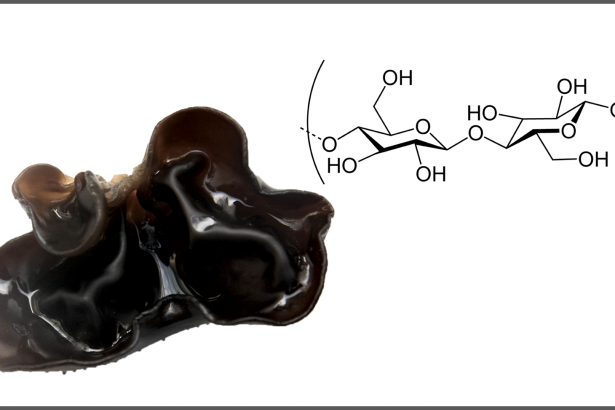
Black wood ear mushroom, also known as wood ear or cloud ear, is a gelatinous edible fungus that grows on dead wood. It gets its name from its ear-like shape and jet-black color. It has a soft yet crisp texture, and the dried product expands noticeably in volume after soaking. It is a common ingredient in cold dishes, stir-fries and soups, and is cultivated in many parts of China, with wood ear from mountainous regions being especially prized for its quality.
From a nutritional standpoint, black wood ear mushroom is rich in dietary fiber and plant gelatin, and is low in calories. It easily creates a feeling of fullness after eating, so it is often regarded as an ideal ingredient by people who want to control their weight. In addition, it contains minerals such as iron and calcium as well as wood ear polysaccharides. It is widely believed among the general public that eating it in moderation is beneficial for daily nutritional supplementation, making it an affordable health food on the dining table.
In cooking, black wood ear mushroom is extremely versatile. Cold-dressed wood ear is refreshing and appetizing, and when stir-fried with sliced meat, Chinese yam, snow peas and the like it has a crisp bite; it can also be added to soups or stews to enhance flavor. The dried product stores well; simply soak it in cold water before eating, and cook it as soon as possible after soaking for the best texture and flavor.
It should be noted that wood ear should not be soaked for too long. Especially when temperatures are high, prolonged soaking can easily breed bacteria and cause spoilage, so it is best to soak it and eat it right away. In addition, although black wood ear mushroom is nutritious, it is ultimately a food ingredient rather than a medicine. If you feel unwell, you should still seek medical attention promptly, and dietary supplementation cannot replace treatment.
Related Reading