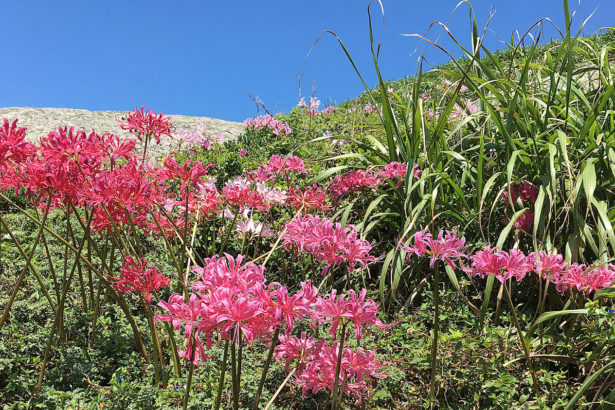
Red Bleeding Glorybower (Clerodendrum) blooms with vivid color; master the key care points for even more abundant flowering
Red Bleeding Glorybower is a perennial evergreen climbing vine, named for the way the calyx and corolla of its cyme open one after the other, resembling a dragon spitting out a pearl. Its most striking feature is its brilliant red color; the calyx and corolla are mostly bright red or purplish red, making the whole flower cluster look intense and festive. Compared with the common Bleeding Glorybower, which has a white calyx and red flowers, its ornamental effect is more passionate and eye-catching, and its peak bloom is mostly concentrated in the warm summer and autumn seasons.
It is native to tropical regions and prefers a warm, humid environment with plenty of sunlight. It tolerates partial shade slightly but is not cold-hardy, so attention must be paid to cold protection and warmth in winter. For cultivation, choose loose, fertile, well-drained sandy loam. When light is sufficient, it produces more flowers with vivid color; long-term shade easily leads to leggy branches and sparse flowering.
For routine watering, water when the soil is dry and let it dry out between waterings, avoiding long-term waterlogging in the pot, otherwise the roots rot easily. During the growing season, apply dilute liquid fertilizer regularly, and appropriately supplement phosphorus and potassium fertilizer near the flowering period to help produce abundant blooms. Propagation is commonly done by cuttings; cut healthy branches and insert them into moist sandy soil, keeping them warm and humid so they can root. After flowering, promptly cut off spent flowers and overly dense branches, which both maintains the plant's shape and encourages new branches to bloom again.
Red Bleeding Glorybower has a long flowering period and distinctive flower shape, and is often used for vertical greening on courtyard trellises, corridor pillars and balconies, and can also be potted to accent halls and windowsills. When cultivating it, it is best to set up a support to guide the branches to climb, which makes shaping easier and gives a better overall flowering effect. As long as temperature, light and water and fertilizer management are proper, it can bloom abundantly year after year.
Related Reading