Everything you need to know about the characteristics of black grape varieties and their nutritional value
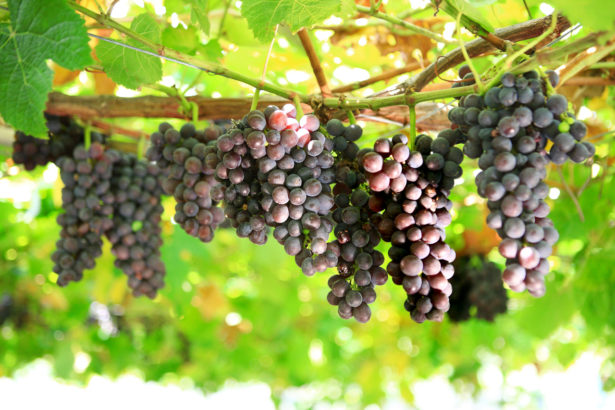
Black grapes are a general category of grapes whose skins range from deep purple to blue-black; the berries are often covered with a layer of natural white bloom, and together with red grapes and green grapes they make up the main types of table grapes on the market. Their flesh is mostly green or semi-transparent, with a sweet-and-sour flavor and plenty of juice, making them very popular with consumers.
In terms of varieties, common black grapes include Kyoho, Summer Black, and Muscat Hamburg. Different varieties differ noticeably in berry size, sweetness, aroma, and whether they have seeds; some have plump berries with seeds, while others have compact clusters and almost no seeds, and their suitable growing regions and marketing seasons also vary.
From a nutritional standpoint, the color of black grapes comes mainly from natural pigment components such as anthocyanins in the skin, while the flesh is rich in glucose and fructose, which can supply the body with energy fairly quickly, and it also contains a variety of vitamins and minerals. Besides being eaten fresh, black grapes can also be used to make wine, raisins, and juice, giving them fairly wide applications.
In cultivation, black grapes prefer an environment with ample sunlight, good ventilation, and smooth drainage; during the growing period they require reasonable pruning and control of the crop load, and attention must be paid to preventing common diseases such as downy mildew and white rot. When buying, choose those with plump berries, an even bloom, and fresh stems; after bringing them home, it is best to store them at low temperature and eat them as soon as possible to maintain the best flavor.
Related reading