Osmanthus has a wide range of uses, with value as food, medicine, and an ornamental plant
Osmanthus is an evergreen small tree or shrub in the genus Osmanthus of the family Oleaceae, also known as sweet olive or rock osmanthus, and is one of China's traditional famous flowers. Its flowers are small and densely clustered, with a rich fragrance, and whenever it blooms in autumn its scent fills the whole garden, making it long beloved by people. Osmanthus is not only beautiful to look at and pleasant to smell, but also has very wide practical uses.
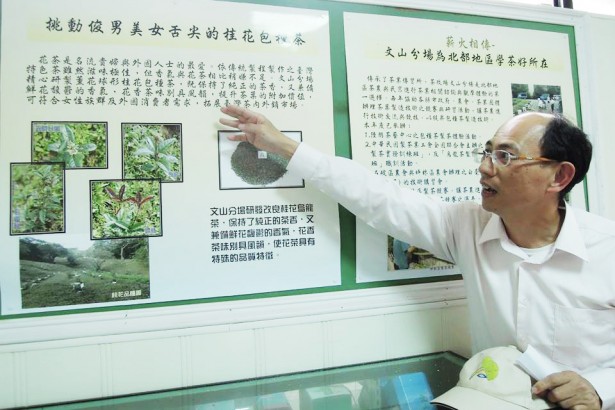
In terms of food, osmanthus is often used to make traditional pastries such as osmanthus cake, osmanthus honey, and osmanthus sugar lotus root, and can also be used to brew osmanthus wine. Mixing fresh or dried osmanthus with tea leaves for scenting also yields fragrant, elegant osmanthus tea and osmanthus oolong, which are favorites of many tea drinkers.
In traditional Chinese medicine, osmanthus is considered warm in nature and pungent in taste, and is often used in tea or in cooking. Drinking a cup of warm osmanthus tea in autumn and winter can help soothe the body and mind and warm the spleen and stomach. However, flower tea is only a garnish to the daily diet; if you feel unwell, you should still seek medical attention promptly, and flower tea cannot replace treatment.
In terms of ornamental value, the osmanthus tree has a graceful shape and is evergreen all year round, making it suitable both for courtyard planting and for road and landscape greening. Its floral fragrance can also be extracted as a natural fragrance material for making products such as perfume, sachets, and essential oils. In addition, osmanthus has a certain resistance to harmful gases such as sulfur dioxide, and can also play a role in improving the urban environment.
It should be noted that ornamental osmanthus may have been sprayed with pesticides during cultivation, so picking and eating it directly is not advisable. For household consumption, it is best to choose osmanthus from a reliable source and wash and dry it before processing, so it is safer to eat.
Related Reading