A Complete Guide to Fruit Tree Cultivation Techniques: Scientific Management from Orchard Establishment to Harvest
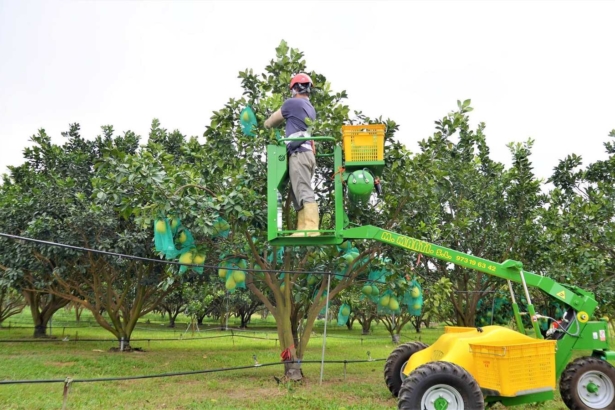
Fruit tree cultivation techniques refer to the complete set of agronomic methods surrounding fruit trees from orchard establishment and planting through to harvest management, covering variety selection, planting density, soil, fertilizer and water management, training and pruning, flower and fruit management, and pest and disease control. Its goal is, under the premise of adapting to local ecological conditions, to let fruit trees grow vigorously and bear fruit reliably, yielding fruit that balances quality and yield.
In actual production, site selection and variety pairing often determine how difficult subsequent management will be, and must be considered comprehensively in light of local climate, soil conditions and market demand. Training and pruning is one of the core elements of fruit tree cultivation: through thinning branches, heading back and other techniques, it regulates airflow and light penetration in the canopy and balances vegetative growth with reproductive growth. Fertilizer and water management emphasizes supplying nutrients in stages according to phenological periods, avoiding long-term one-sided application of chemical fertilizers that leads to soil compaction and degradation.
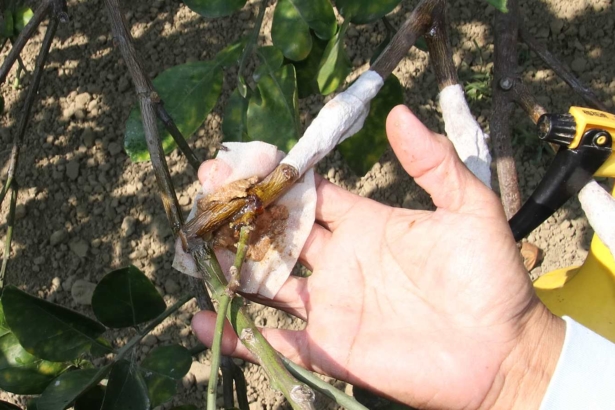
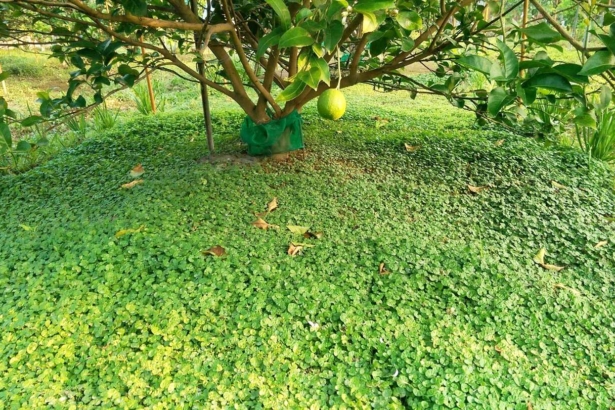
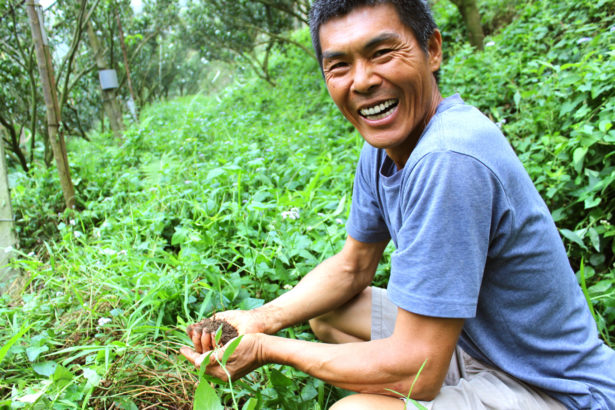
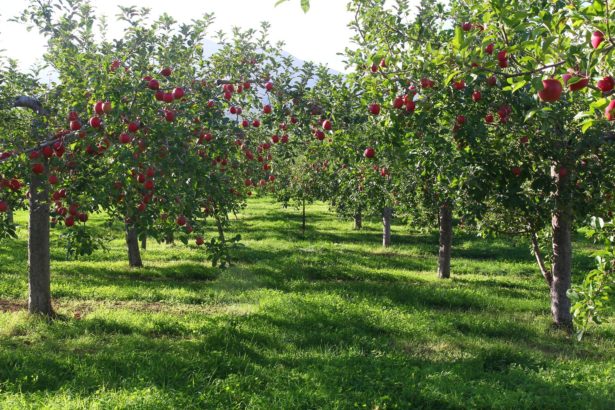
In recent years, ecological measures such as sod culture and microbial inoculants have gradually gained attention among fruit growers. For example, planting low-growing green manure crops between the rows not only covers the ground and reduces soil erosion, but also improves the micro-environment within the orchard; in disease control, there are also practices that use beneficial microorganisms to suppress pathogenic bacteria, which helps reduce reliance on chemical pesticides.
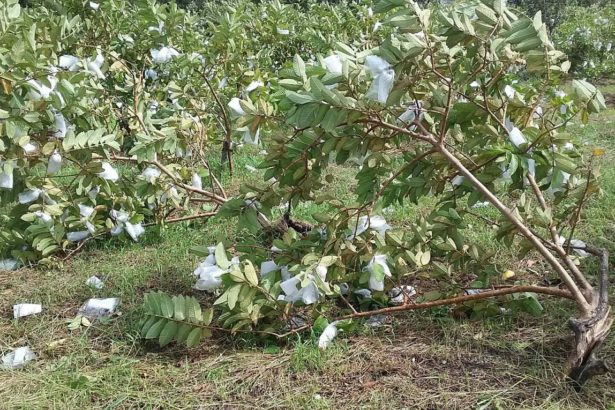
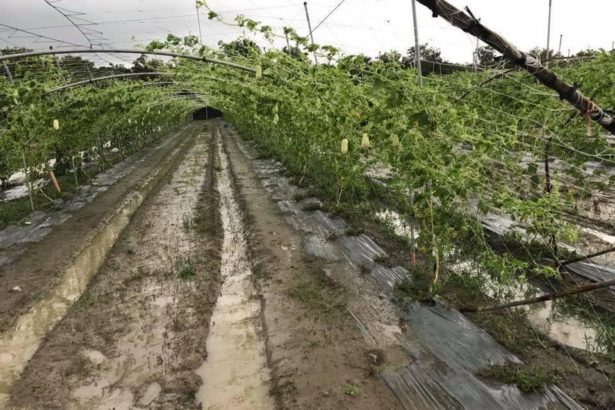
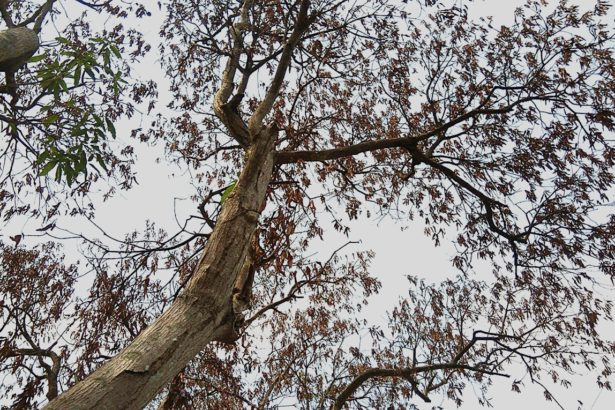
In addition, fruit tree cultivation must also cope with disastrous weather such as typhoons, heavy rain and waterlogging. After a disaster, broken branches should be pruned away promptly, fallen leaves cleared and standing water in the orchard drained; only after the tree's vigor recovers should nutrients be supplemented in moderation, and one must never rush to apply large amounts of fertilizer. Only by mastering these technical points and applying them flexibly according to the actual conditions of the orchard, together with daily observation and record-keeping, can fruit trees achieve stable yields year after year and the orchard continue to increase its efficiency.
Related Reading