Fruit tree grafting is a common method for improving fruit tree varieties
Fruit tree grafting is a method of asexual propagation in which a branch or bud from a superior mother plant is transferred onto another plant with a healthy root system, allowing the two to heal together and grow as one. The branch or bud that is taken is called the scion, and the part that provides the root system is called the rootstock. Because it does not involve seed propagation, grafting can fully preserve the variety characteristics of the mother plant and can also bring fruit trees into flower and fruit earlier, making it a common means of variety improvement and replacement in orchards.
Grafting methods are mainly divided into two categories: branch grafting and bud grafting. Common forms of branch grafting include cut grafting, cleft grafting and side grafting, generally carried out in spring when the sap begins to flow; bud grafting involves inserting a bud shield with some wood attached into the rootstock, with common forms including T-budding and chip budding, mostly performed during the vigorous growing season of summer and autumn. In actual production, the appropriate method can be chosen flexibly according to the tree species, the thickness of the rootstock and the season.
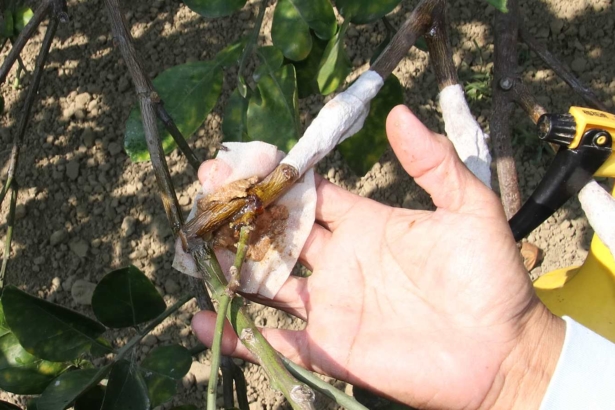
The key to improving the survival rate of grafting lies in making the cambium layers of the rootstock and scion fit tightly together. The cut surfaces should be smooth and the work should be done quickly to avoid the cuts drying out in the wind. After joining, bind tightly with plastic strips and take care to retain moisture, covering with a bag for shade if necessary. After grafting, excess buds sprouting from the rootstock should also be removed promptly, and once the union has completely healed, the binding material should be removed in good time to prevent it from constricting and injuring the new shoots.
It should be noted that not all rootstocks and scions can heal successfully; combinations with poor compatibility are prone to problems later on such as weak growth and swelling or gummosis at the union, so local cultivation experience should be consulted when selecting rootstock-scion pairings. In addition, disinfecting tools and keeping the orchard clean before and after grafting can also effectively reduce the risk of pathogens entering through the cuts.
Related Reading