Key points of Chinese cabbage management in plastic hoop houses: insulation, ventilation, and water-fertilizer regulation
Management of Chinese cabbage in hoop houses refers to the whole set of field operations around temperature and humidity, water and fertilizer, and pests and diseases when growing Chinese cabbage under arched frames covered with plastic film. The hoop house structure is simple and low in cost, and can provide insulation against frost and block rainwater, and is often used for delaying the growth of autumn cabbage or advancing the transplanting of spring cabbage.
Temperature and ventilation are the key points of management. In the early stage after transplanting or emergence, the focus is on keeping warm to promote seedling recovery and growth; when the temperature inside the house is on the high side during the day, it should be ventilated promptly to release moisture and prevent leggy growth; at night and when cold waves arrive, the film should be tightly closed to prevent freezing. After the weather turns warm, the vents should be gradually enlarged to avoid prolonged high temperature and high humidity inside the house.
In terms of water and fertilizer, Chinese cabbage needs more water and nutrients during the rosette stage and the head-forming stage, so the soil should be kept moist but not waterlogged, and watering should preferably be done lightly with a small amount of water on sunny days. Topdressing should be mainly nitrogen fertilizer, appropriately combined with phosphorus and potassium fertilizer; insufficient nutrients during the head-forming stage can easily lead to loose heads and reduced quality.
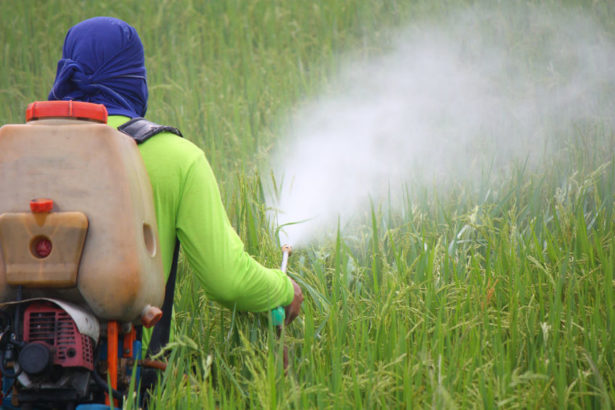
Pest and disease control should not be neglected either. When humidity inside the house is high, soft rot and downy mildew are prone to occur, so attention should be paid to ventilation and dehumidification and to promptly removing diseased plants; aphids, cabbage caterpillars, and other pests can be controlled through insect-proof nets, yellow sticky traps, and other methods. Daily checks should also be made on whether the film and the film-pressing lines are secure, to prevent losses caused by strong winds lifting the house.
Related Reading