Freshwater snail species and picture identification are very helpful for aquaculture
Freshwater snails is a general term for mollusks that live in freshwater environments such as rivers, lakes, ponds, rice paddies and ditches. Their shells are mostly spiral-shaped, and they crawl along the bottom or on aquatic plants using a well-developed muscular foot. Most of them feed on algae, humus and fragments of aquatic plants, and they are relatively sensitive to changes in water quality; changes in their species and numbers can often reflect the condition of the water environment.
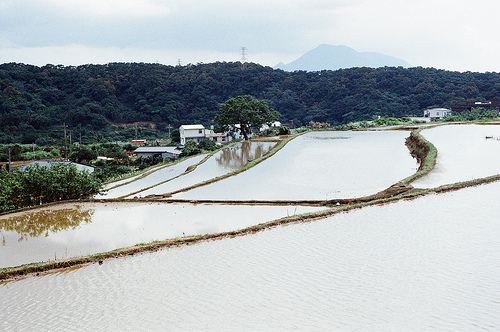
Common freshwater snails can be roughly divided into three categories by use. Common edible types include the Chinese mud snail (Cipangopaludina cathayensis) and the stone field snail (Sinotaia quadrata), which have thick shells and plenty of meat and are traditional ingredients on the table in many regions. Ornamental types such as the ramshorn snail and the mystery snail are often kept in aquariums to help clean up algae because their shell shapes and colors are appealing. In addition, there are small snails such as pond snails (Lymnaeidae) and ramshorn snails (Planorbidae), mostly seen in rice paddies and canals; when their numbers become too large, they gnaw on the young leaves of rice seedlings.
When identifying them against pictures, the most important thing to note is to distinguish the field snail from the golden apple snail. The field snail has a long conical shell, and the shell opening has a horny operculum; it is ovoviviparous and directly gives birth to small snails. The golden apple snail is larger, with a broad shell opening, and its eggs are pink masses, often attached to grass stems or stone walls above the water surface. The golden apple snail is an invasive alien species that gnaws on rice and other aquatic crops and reproduces quickly; once found, it should be removed promptly. In schistosomiasis-endemic areas, attention should also be paid to identifying the Oncomelania snail and cooperating with local prevention and control efforts.
In agricultural applications, field snails can live symbiotically with aquatic crops such as rice and lotus root, and they are also a natural bait for fish such as black carp. Some farmers use shallow ponds for mixed snail-fish farming. One reminder: edible snails must be cooked thoroughly, and snails taken from polluted waters or waters of unknown origin should not be eaten. Online picture identification is for reference only; for species you are unsure about, it is best to ask local agricultural technicians to confirm on site.
Related Reading