The "Great Forest Wood" destiny is a nayin wuxing (sound-based five elements) saying for people born in the years of Wuchen and Jisi
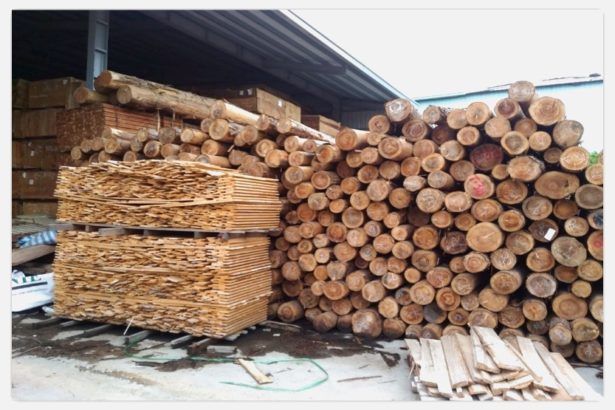
The "Great Forest Wood" destiny is one of the nayin wuxing (sound-based five elements) sayings among the sixty ganzhi combinations in traditional Chinese fate analysis. It refers to people born in a Wuchen year or a Jisi year; for example, 1988 and 1989 fall under these two ganzhi years. Nayin wuxing matches the sixty ganzhi combinations with different natural images, and the image corresponding to Great Forest Wood is a great tree with luxuriant branches and leaves and stretches of forest.
In traditional fate-analysis descriptions, Great Forest Wood symbolizes trees with deep roots and sturdy trunks and vigorous growth, able to withstand wind and rain and endure cold winters, and also able to provide shade and coolness for their surroundings. Therefore, folk tradition often describes people with the Great Forest Wood destiny as a type that is tough in character, willing to take on responsibility, and glad to shelter others, implying solid foundations and abundant staying power.
According to the traditional sayings about the generating and overcoming relationships of the five elements, Great Forest Wood belongs to wood, likes to be moistened by water and to take earth as its foundation, and taboos overly heavy metal qi, which would cut the wood and damage the forest. In old times, marriage matching and career choice often referred to such sayings, and Great Forest Wood was also compared with other nayin woods such as Pine and Cypress Wood and Flatland Wood, with the belief that each has a different temperament and different likes and taboos.
It should be noted that the Great Forest Wood destiny is only a folk saying deduced from the ganzhi calendar and has no scientific basis; it cannot truly determine a person's character and fate. Understanding its origins is more a way to learn about the traditional calendar and folk culture, and it is enough to keep a rational view when encountering such content in daily life.
Related Reading