An Introduction to the Benefits, Effects, and Common Culinary Uses of Pubescent Angelica Root
Pubescent Angelica Root (Angelica pubescens, also known as duhuo) is a medicinal herb commonly used in traditional Chinese medicine for dispelling wind-dampness. It comes from the umbellifer family plant Angelica pubescens f. biserrata, and its dried root is used as medicine. It mostly grows in the mountainous areas of Sichuan, Hubei and other places, and on the medicinal herb market it is often called Chuan Duhuo.
In terms of its effects, Pubescent Angelica Root is pungent and bitter in taste and slightly warm in nature, entering the Kidney and Bladder meridians. It has the actions of dispelling wind and removing dampness, unblocking impediment and relieving pain, and is traditionally used for wind-cold-dampness impediment, soreness, heaviness and pain of the lower back and knees, and headache and other discomforts. Its root contains volatile oils, coumarins and other components, and in practical use it is often combined with herbs such as Mulberry Mistletoe (Taxillus chinensis), Eucommia bark (Eucommia ulmoides) and Achyranthes root (Achyranthes bidentata). The classic formula Duhuo Jisheng Tang is still widely used today. Compared with Notopterygium root (Notopterygium incisum), Pubescent Angelica Root places more emphasis on wind-dampness problems of the lower body, waist and legs, and the two are sometimes used together in clinical practice.
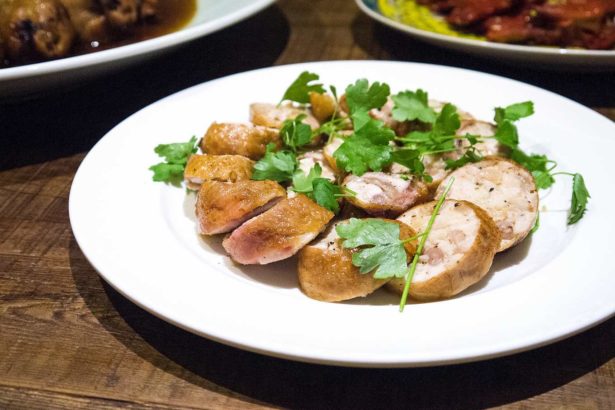
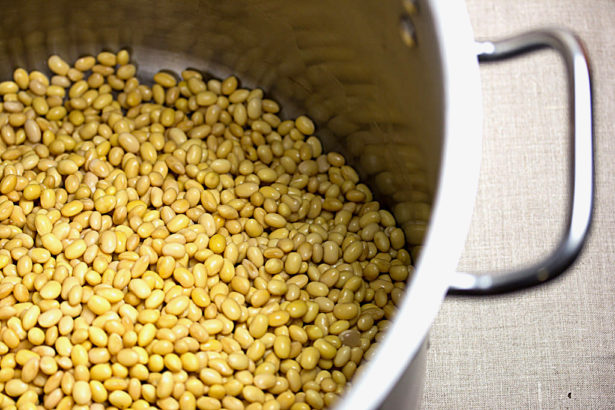
As for culinary uses, the most common way to take Pubescent Angelica Root is to decoct it in water and take it orally, with a daily dosage mostly between 3 and 10 grams; the specific amount should be adjusted according to one's constitution and under a doctor's advice. It can also be used to make medicinal liquor, or stewed together with ingredients such as chicken, pork bones and black beans to make a medicinal dietary soup that helps dispel wind-dampness. There is also a folk method of boiling eggs with Pubescent Angelica Root. Whichever method is chosen, it is best to try it in small amounts and treat it as a daily auxiliary conditioning measure rather than the main means of treating disease.
It should be noted that Pubescent Angelica Root is somewhat warm and drying in nature, so people with yin deficiency and blood dryness who are prone to dry mouth and internal heat should use it with caution, and pregnant women and those taking other medications should best consult a physician before use. When selecting it, those with thick, plump roots, a rich aroma, and a yellow-white cross-section are considered best, and it can simply be stored in a cool, dry place. If joint pain persists or worsens, one should seek medical examination in a timely manner and not rely solely on medicinal dietary soups to solve the problem.
Related Reading