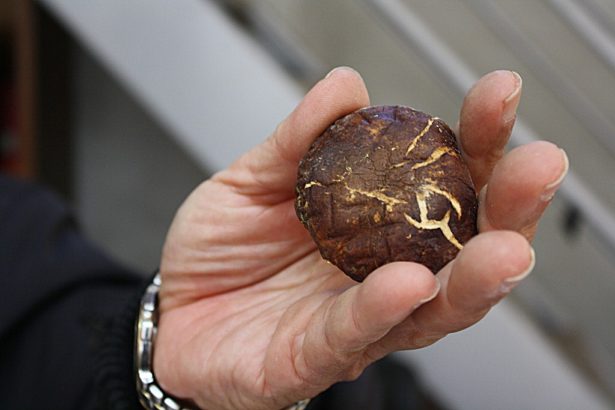
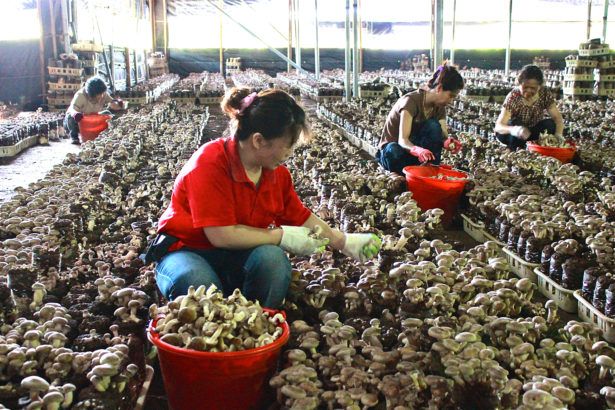
Bag-cultivated shiitake mushrooms are shiitake mushrooms grown in bags using substitutes such as sawdust.
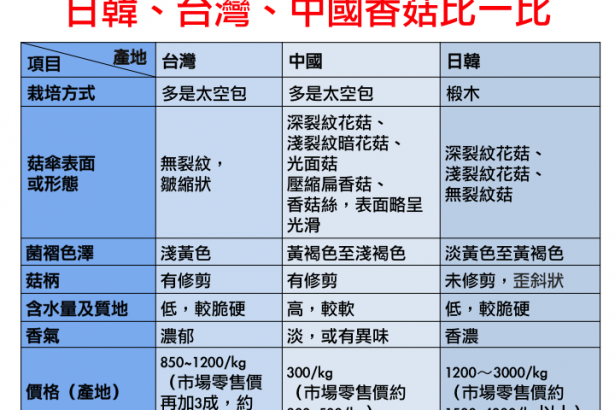
Bag-cultivated shiitake mushrooms (Lentinula edodes) refer to shiitake mushrooms produced by substitute-substrate cultivation, as opposed to traditional log cultivation. The method mixes raw materials such as sawdust, cottonseed hulls, wheat bran and gypsum in certain proportions into a growing substrate, fills it into plastic bags, and after sterilization and inoculation cultivates the mushrooms. Because it does not depend on log resources, this method can also be promoted in areas lacking forest resources, and it is currently one of the mainstream modes of shiitake production.
Compared with log-grown shiitake, bag-cultivated shiitake has a shorter cycle, and the nutrients in the substrate can be flexibly adjusted; once the mycelium has fully colonized the bag and completed color change, the mushrooms can be induced to pin. Management during the fruiting period mainly revolves around temperature, humidity, ventilation and light; moderately widening the day-night temperature difference helps improve quality, and when conditions are suitable, flower shiitake can even form. With proper management, bag-cultivated shiitake has a neat mushroom shape and thick caps, and is suitable for both fresh sale and drying.
Common problems in production include contamination by foreign microbes caused by incomplete sterilization of the substrate, and poor ventilation or excessively high temperatures during the mycelial growth period, which weaken the mycelium. Pests such as fungus gnats and fungus flies, mites, and mold growth can also affect yield and quality, so site cleanliness and routine prevention are needed. In addition, the quality of the spawn directly determines fruiting performance; degraded or aged spawn easily causes reduced yields, so reliable strains should be chosen when selecting spawn.
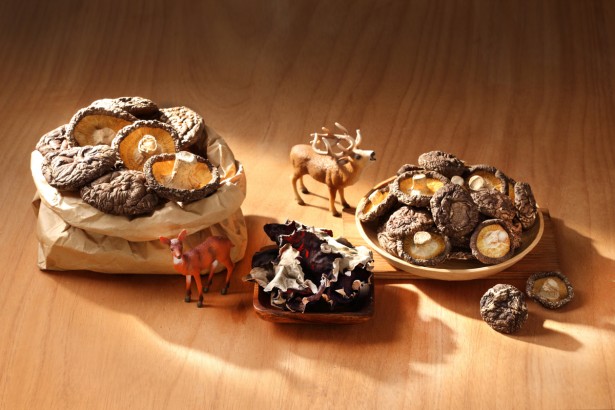
Bag-cultivated shiitake is nutritious, containing various amino acids and mushroom polysaccharides, and can be eaten fresh or dried or processed into various foods. Thanks to its stable fruiting and suitability for scaled management, it has become a major source of shiitake supplied to the market and also provides growers with a relatively low-threshold production route.
Related Reading