What Are the Benefits of Eating Watermelon? Hydration, Heat Relief and Extra Nutrition
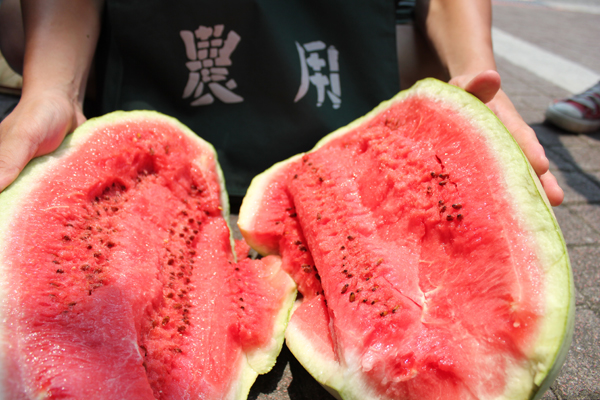
Watermelon is one of the most common melons of summer. The flesh is usually red or yellow, has a high water content, and tastes sweet and juicy. The benefits of eating watermelon lie mainly in quenching thirst, replenishing fluids and supplying nutrients. After hot weather or heavy sweating, eating a moderate amount of watermelon can help the body ease heat and thirst.
From a nutritional point of view, watermelon contains carbohydrates, vitamin C and lycopene, among other components. Lycopene is a natural pigment with certain antioxidant properties; vitamin C helps maintain normal physiological function. Minerals such as potassium in watermelon can also be absorbed by the body along with water, making it a good thirst-quencher for people after exercise or outdoor work.
Watermelon is good to eat, but it should be eaten with care. Watermelon is cooling in nature, so people with weak digestion should not eat too much at one time; eating a large amount on an empty stomach may cause bloating or diarrhea. Watermelon contains sugar, so those who need to control their blood sugar should limit how much they eat, and it is best to taste a small amount between meals. Cut watermelon should be eaten as soon as possible, and should not be kept refrigerated for too long. After taking it out of the fridge, let it sit for a moment before eating, and your stomach will feel more comfortable.
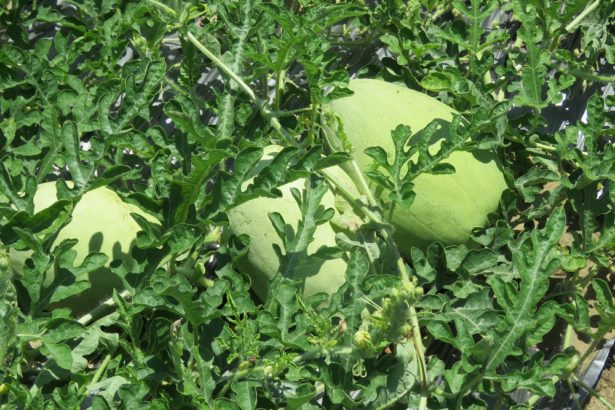
There are also some practical tips for choosing a watermelon. A well-ripened watermelon usually has clear stripes and a sunken blossom end, and sounds deep and resonant when tapped; whether the flesh is mealy or crisp depends on the variety and the cultivation method. For example, the locally bred Little Pig Watermelon of Taiwan, China, is a regional variety with its own distinctive flavor that has gradually attracted consumer attention.
The value of watermelon goes beyond the flesh. In some coastal areas, people pickle the peeled watermelon rind into watermelon mian, which tastes sour and crisp and is a traditional flavor to serve with congee and rice. In field management, methods such as sod culture to care for the melon patch help nourish the land and protect the soil, and also make watermelon quality more consistent. Overall, eating watermelon has many benefits; the key is to eat it in moderation and eat it fresh, so you can truly enjoy this summer refreshment.
Related Reading