Pangolin Farming Methods Are Strictly Regulated, and the Bar for Artificial Breeding Is Extremely High
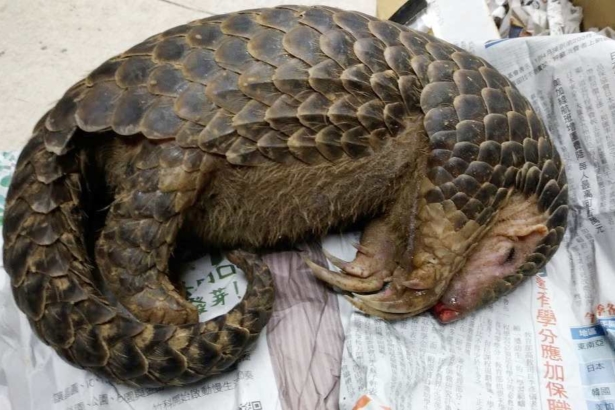
The pangolin is a mammal that feeds mainly on ants and termites, is covered in scales from head to tail, and is skilled at digging burrows. It is mainly distributed in southern China and parts of Asia and Africa. Because wild populations have continued to decline, the pangolin has been listed as a national first-class protected wild animal, and hunting, trading, and using its products are all illegal.
The various pangolin farming methods circulating online are mostly unfounded. In reality, artificial breeding of pangolins is extremely difficult. Its feeding habits are highly specialized, making it hard for it to adapt to artificially formulated feed, and its requirements for temperature, humidity, and activity space are also very strict. Even when kept by zoos and professional conservation institutions, it often faces the problem of unsatisfactory survival rates, and ordinary farmers simply do not have the corresponding conditions.
From a legal perspective, even artificial breeding for scientific research or species conservation must go through strict approval by the competent authorities and obtain the relevant permits, and may not be freely put into market circulation. Any individual or institution claiming to be able to provide breeding stock, teach farming techniques, and buy back finished products at a high price can basically be judged a scam, and people need to be on guard.
For the public, the correct way to protect pangolins is to refuse to buy and eat products related to them, and to report illegal trading promptly to forestry or public security departments. At present, research on artificial breeding technology is still concentrated at the level of conservation institutions, and there is still a long way to go before mature application. Readers should rely on official releases when encountering such information.
Related Reading