A Complete Guide to Key Points of Tea Garden Management: Grow Healthy Tea Plants and Improve Tea Quality
Tea garden management refers to a series of field operations and technical measures centered on the growth and development of tea plants, covering soil cultivation, water and fertilizer supply, canopy pruning, plucking scheduling, and pest and disease prevention and control. The level of management directly affects the vigor of the tea plants, the yield of fresh leaves, and the quality of the finished tea. Specific practices vary among tea regions due to differences in climate, terrain, and varieties, but the basic principles are the same.
Soil is the foundation on which tea plants take root. Tea garden management must first do a good job of deep plowing and soil improvement, inter-row mulching, and green manure planting to keep the soil layer loose and rich in organic matter. Tea plants prefer acidic soil and are suited to growing on well-drained slopes. In the rainy season, attention should be paid to drainage, while in the dry season, timely irrigation or straw mulching to preserve moisture is needed. Fertilization should be applied in batches and in appropriate amounts, mostly with organic fertilizer as the base, combined with topdressing before and after the tea season, avoiding a one-time excessive application.
Pruning is the key to shaping a high-yielding canopy. Young tea plants are mainly given formative pruning to promote branching; mature tea gardens use light pruning and deep pruning to control tree height and renew the plucking surface. Plucking and management are inseparable. Reasonable leaf-retaining plucking can maintain plant vigor and achieve a combination of plucking and nurturing, preventing premature aging of tea plants caused by excessive plucking.
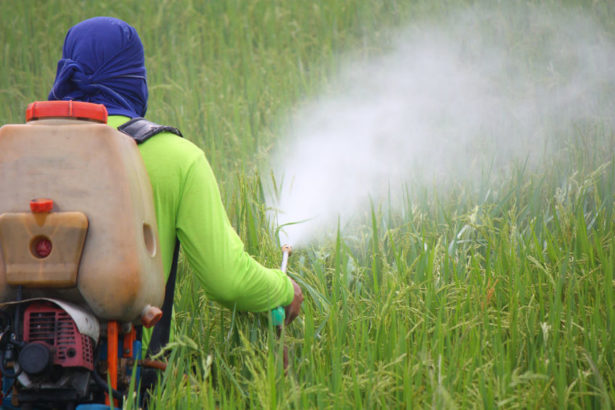
Pest and disease control advocates mainly agricultural, physical, and biological measures, such as clearing the garden and weeding, light trapping, and protecting natural enemies, with scientific pesticide use only when necessary. In recent years, many tea regions have promoted the concept of integrated pest management to reduce reliance on chemical pesticides while taking into account tea garden ecology and the safety of tea for drinking.
Overall, tea garden management is a year-round task, with each tea season closely linked to the next. Only by coordinating soil, canopy, water and fertilizer, and plant protection can the tea garden maintain stable production and yield fresh leaves of consistent quality.
Related Reading