Termite Picture Identification Guide: A Full Analysis of Termite Morphology and Damage Characteristics
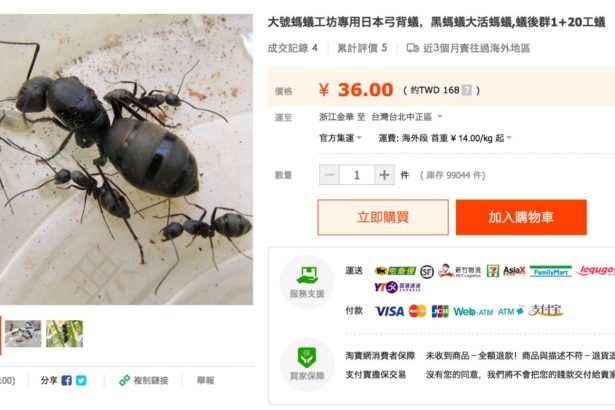
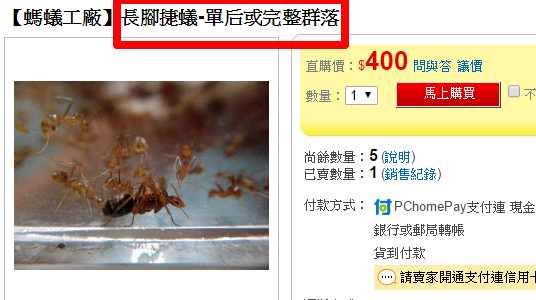
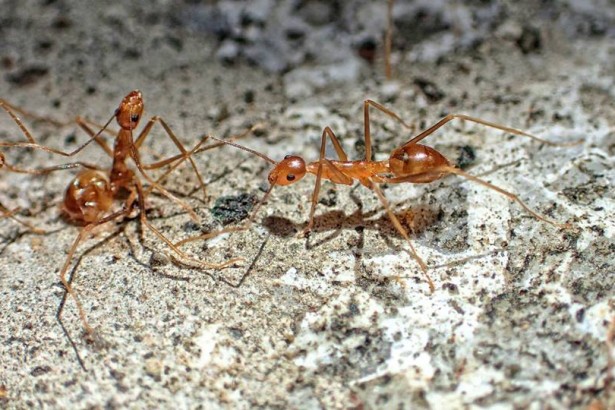
The white ant is the common name for the termite. Although its name contains the word "ant," it is not a true ant at all, but rather a social insect more closely related to cockroaches. Its body color is mostly milky white or pale yellow, and its body is soft. Within the colony there is a division of labor among queens, workers, and soldiers, and they often live in groups in dark, damp environments. When judging from white ant pictures, the most obvious differences lie in the waist segment and the antennae. Between the thorax and abdomen of a termite there is no distinctly narrowed thin waist, and the antennae extend straight out like a string of beads, whereas ants have a clearly defined narrow waist segment and antennae that bend in an elbow shape. In addition, winged termites in the reproductive stage have forewings and hindwings of similar size, and the wings left behind after shedding and the scene of large numbers swarming out in flight often serve as important clues for identification. Termites feed on wood fiber and will bore into wooden building components, furniture, and books, and may also damage dams and agricultural and forestry crops. Because their activity is hidden, they are often hard to detect from the outside, and by the time the wood has been hollowed out and discovered, the losses are already considerable. Usually pay more attention to whether there are mud lines, ant trails, and swarming holes near wall corners and door frames, and comparing with pictures can help you spot problems earlier, after which you should ask professionals to carry out prevention and control. It should be noted that many pictures online labeled as white ants actually include ants or insect larvae by mistake, so identification should combine features such as body color, waist segment, and antennae. In recent years, some people have also bought and sold live ants as pets through the internet, and among them there are no shortage of invasive species. Randomly introducing or releasing them may cause irreparable effects on local ecology and agriculture, so do not try to keep ants of unknown origin just because the pictures look novel.
Related Reading